Style & Mood Hub
A photo carries color, expression, composition, and light — all at once. This hub breaks down the fuzzy word 'vibe' into a few concrete reading steps, then into styling ideas for clothing, hair, and makeup. Styling-oriented entertainment, not a personality scan.
"Mood" is a composite signal: color + expression + composition
A photo of the same person in warm outdoor light with a wide smile gives a totally different mood than the same person in a cool-temperature indoor frame with a neutral face. What we usually call "this person feels crisp" or "this person feels warm" is not a single facial feature — it is a sum of color temperature, contrast, expression intensity, and composition.
This hub breaks those signals apart so you can see how each one contributes. The point is not to overthink your photos, but to develop a feel for how a single signal change moves the read.
A 5-step way to find your own mood word
Step 1: look at the color and chroma of clothes you wear most. Mostly neutrals or mostly saturated colors? That sets the baseline. Step 2: name one or two first-impression keywords you often hear about yourself — calm, lively, sharp, gentle.
Step 3: gather five photos (your own selfies, film stills, editorial cuts) that match that keyword and lay them out. Step 4: write down the visual signals that repeat — temperature, contrast, expression type. Step 5: keep that as the first page of your personal "mood board" and compare new photos against it.
Why AI mood reports and mood boards work well together
An AI mood report is good at turning a single photo into short keywords. Your own mood board is the synthesis you build across many photos. Used together they let you compare "the mood AI reads from my photo" with "the mood I am actually trying to project," and that gap usually becomes the next styling experiment.
Everything here is an entertainment reference — not a verdict or a ranking. Treat it as a way to keep two perspectives — yours and the AI’s — side by side, no pressure.
Mood styling notes to grab on your way out the door
We have talked enough about spotting a mood, so let's turn that one word into actual clothes, hair, makeup, and small accessories. Here are three combinations I keep reaching for, written down exactly as I use them. Start with something crisp. A cool-toned white shirt or a sky-blue knit up top, shot under even front light so the contrast stays sharp and clean. Keep the base semi-matte to knock down the shine, and a coral or rose lip with a faint blue lean reads tidy. Pull the hair into a high ponytail, no flyaways, slicked back tight. If you wear glasses, a thin silver metal frame or a clear rim won't break that line, and small silver studs nudge the whole color temperature in one direction.
Warmth pulls everything the other way. Layer warm neutral knits in ivory, camel, oatmeal, and shoot in soft light, window daylight or a faintly yellow lamp. The base wants a dewy glow, a peach blush swept wide across the cheeks, and a lip in an MLBB nude or brick that sits close to your own color. Loose natural waves that flow only at the ends, with the part broken up a little, make the whole thing read softer. For accessories, warm metals like gold or antique gold work, and round brown tortoiseshell glasses back up the tone nicely. On a rounder face shape, trimming side volume and adding just a touch of height at the crown settles into this warm feeling more comfortably.
The last one goes sharp. Build a monotone outfit out of black, charcoal, and ivory, lay a straight silhouette over it like a tailored jacket with a clean shoulder line, and crank the contrast with strong light coming in from the side. Smooth matte base, a deep red or burgundy lip with crisp edges, and hair with a defined line: slicked back, or a glossy blunt bob. Thick black square tortoiseshell frames or angular metal glasses set the tone in one move. If your face is more angular, you can ride the straight frame as is or soften it with a slightly rounded line. None of the three is a verdict — each is just practice at gathering temperature, contrast, texture, and line toward a single mood.
So please don't read these as a scoring sheet or a way to rank what looks better. They are closer to a starting point for the next time you open the closet or raise your phone for a selfie and wonder where to begin. Pick the one you like, swap a single light or a single color, and you will feel pretty fast which way the mood drifts. It is all a styling reference for fun, so keep it to your own photos, or photos of someone who said yes.
Frequently asked questions
What exactly is a mood? It is a composite — color temperature, contrast, expression, and composition together — not a single facial feature. That is why the same face reads warm in one photo and crisp in another.
Can I change my mood on purpose? Yes. Decide the word first, then set light, color, expression, and background to match. The articles here show which signal moves the read most.
Is the AI mood report a verdict? No. It is one perspective on a single photo. Pair it with your own mood board and the gap between them becomes your next experiment.
Articles in this hub
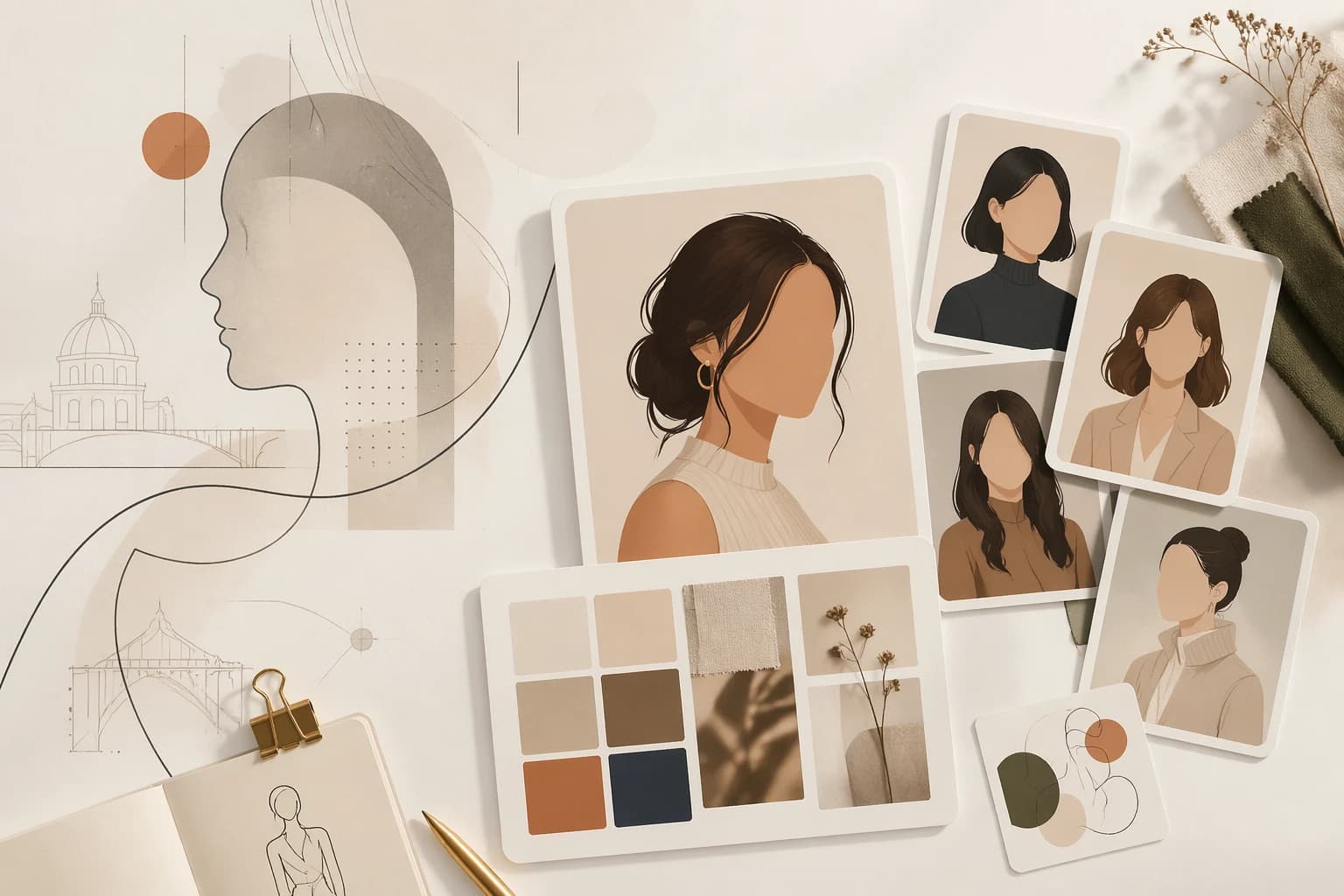
Style Mood Boards Based on Facial Impression
Build and maintain a personal style mood board in five steps, starting from your own facial impression.
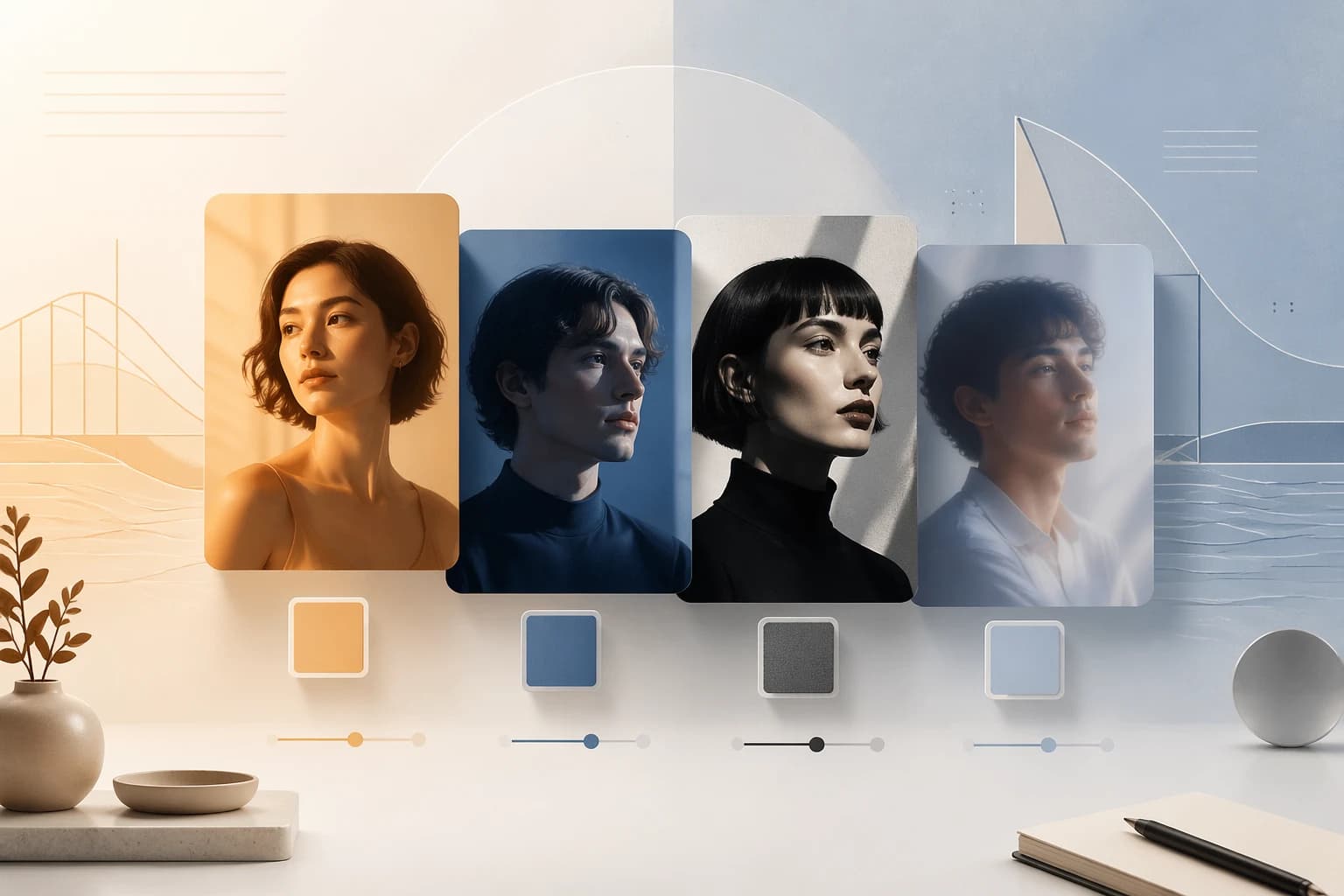
What Makes a Portrait Feel Warm, Cool, Sharp, or Soft
Why the same face can read so differently — color temperature, contrast, texture, and styling combined.
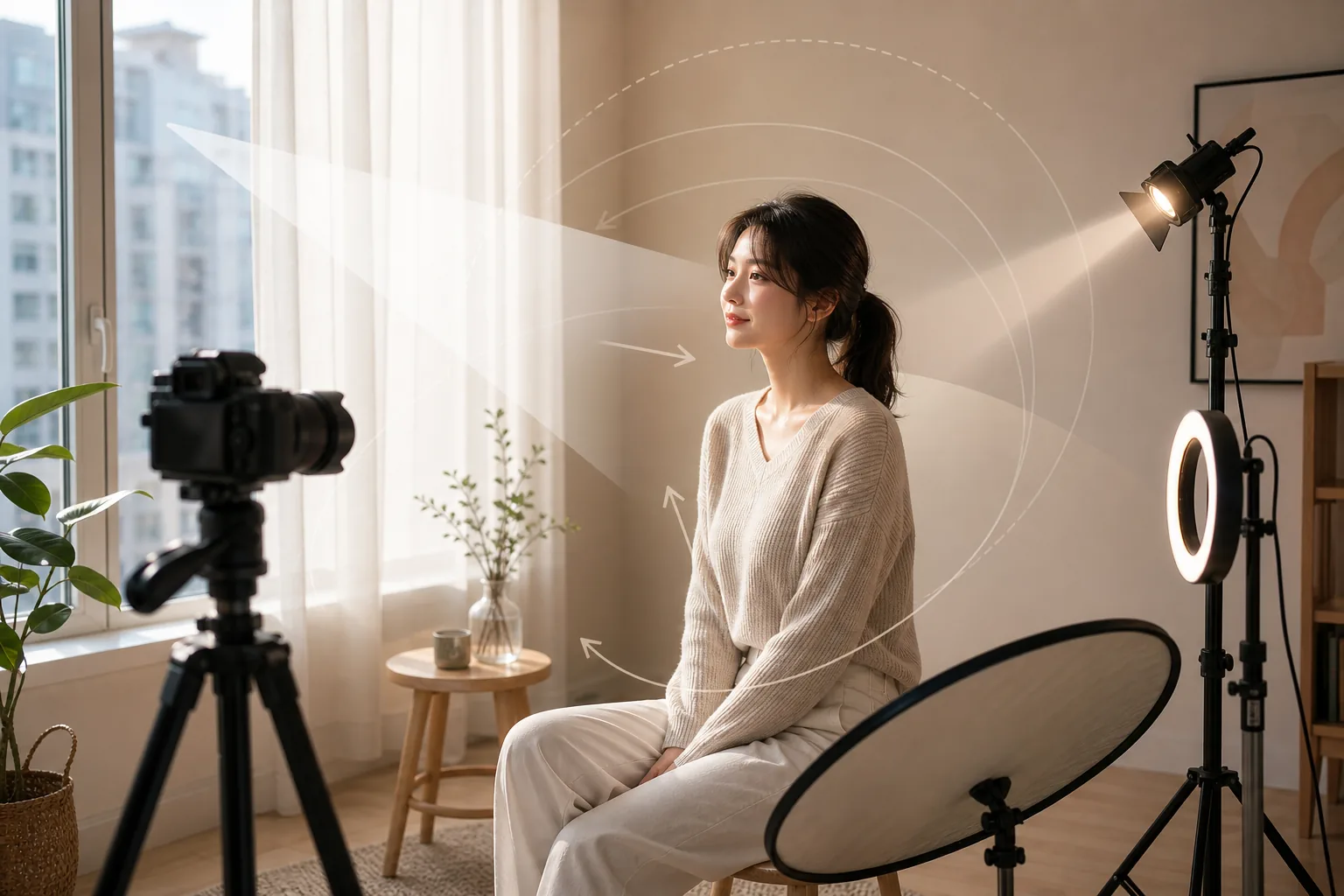
Profile Photo Guide — Lighting, Use Cases, Low Light
Flattering profile-photo lighting at home for free — direction, size, and color temperature, window light and a ring light, plus by-use-case picks (resume, social, dating, ID) and low-light tips.

How to Interpret Entertainment-Style Reports Responsibly
Three attitudes and seven checkpoints to keep AI face reports fun and healthy rather than stressful.
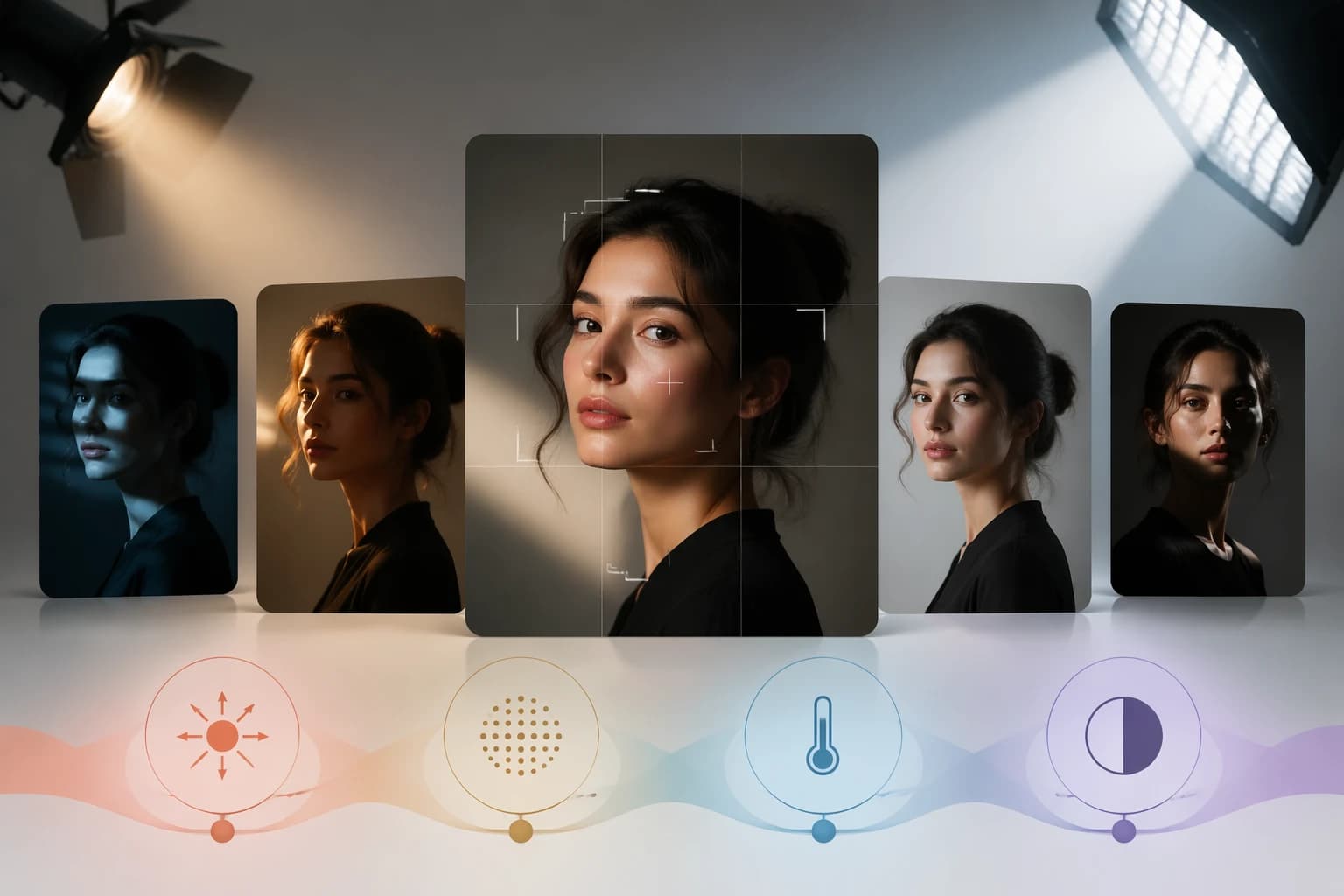
How Lighting Changes Facial Impression in Photos
Four properties of light — direction, quality, temperature, contrast — and how each reshapes the impression of a face in a photo.

The Science of First Impressions — Decided in 0.1 Seconds
Princeton research reveals how first impressions form in 0.1 seconds.
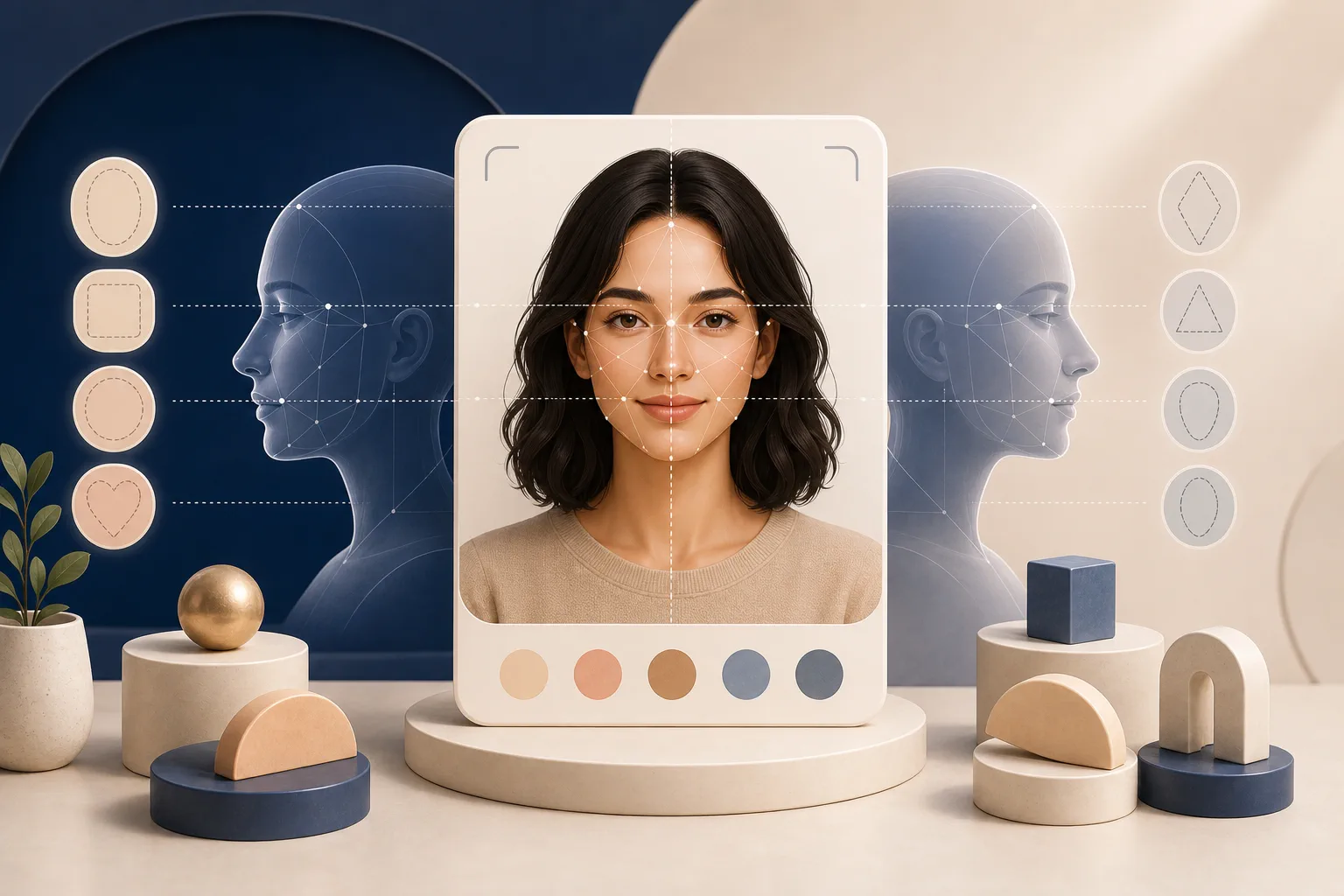
Face Asymmetry — A Gentle Self-Check and Natural Balancing
Face asymmetry is natural for nearly everyone. A gentle self-check, the limits of symmetry and golden-ratio numbers, and styling with parting, hair, and angle — a fun reference, not a judgment of the person.
Can Expressions Shape Personality? — Facial Feedback Theory
Does smiling on purpose actually make you happier? Exploring the facial feedback hypothesis.
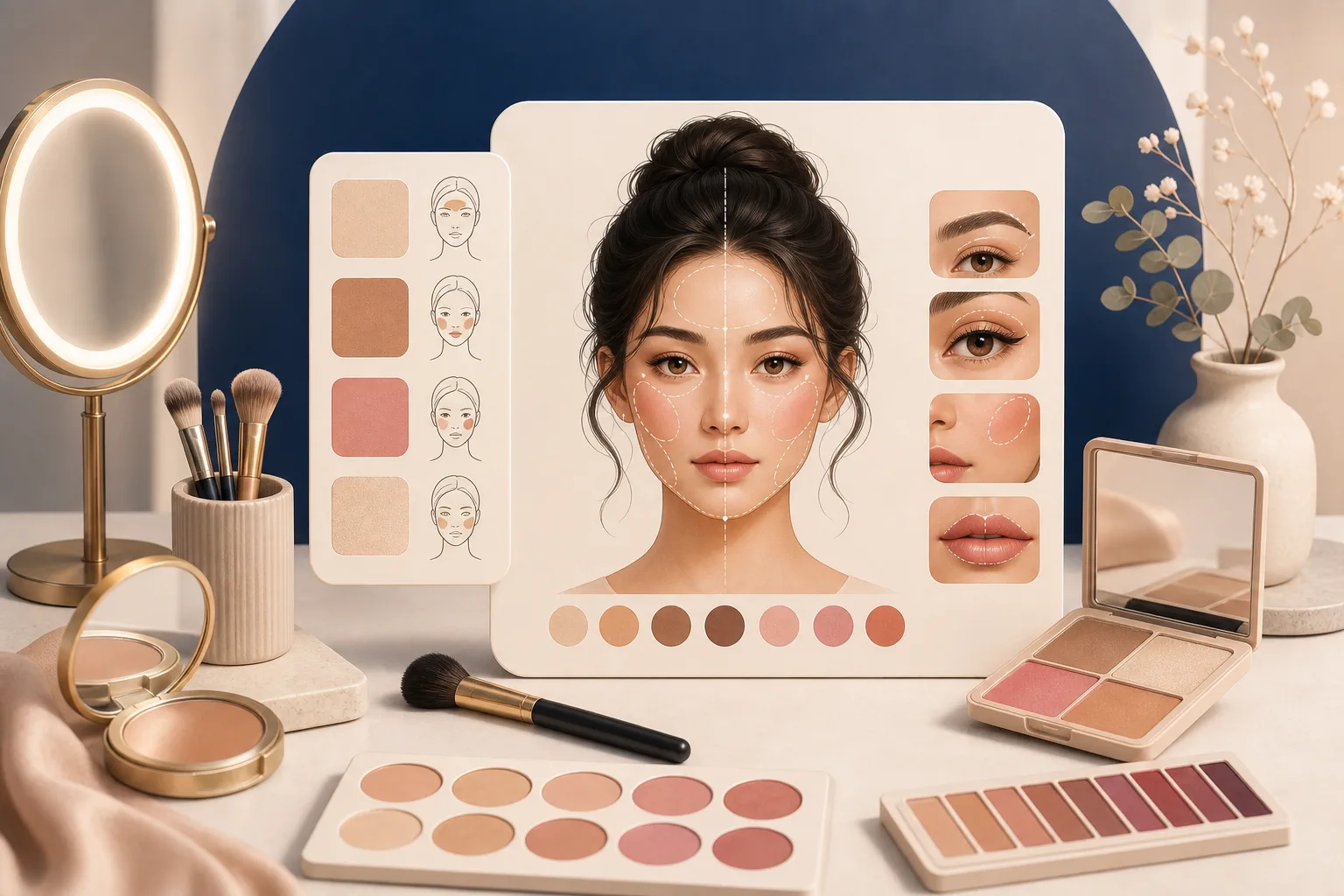
Eye Makeup by Eye Shape — Monolid, Hooded, Downturned and More
From monolids and hidden double lids to downturned, upturned, big or small eyes and eye spacing, this is a friendly styling reference for liner direction and thickness, shadow gradient placement, and where to brighten or add depth. Every eye shape is lovely — this is a fun mood reference, not a verdict.
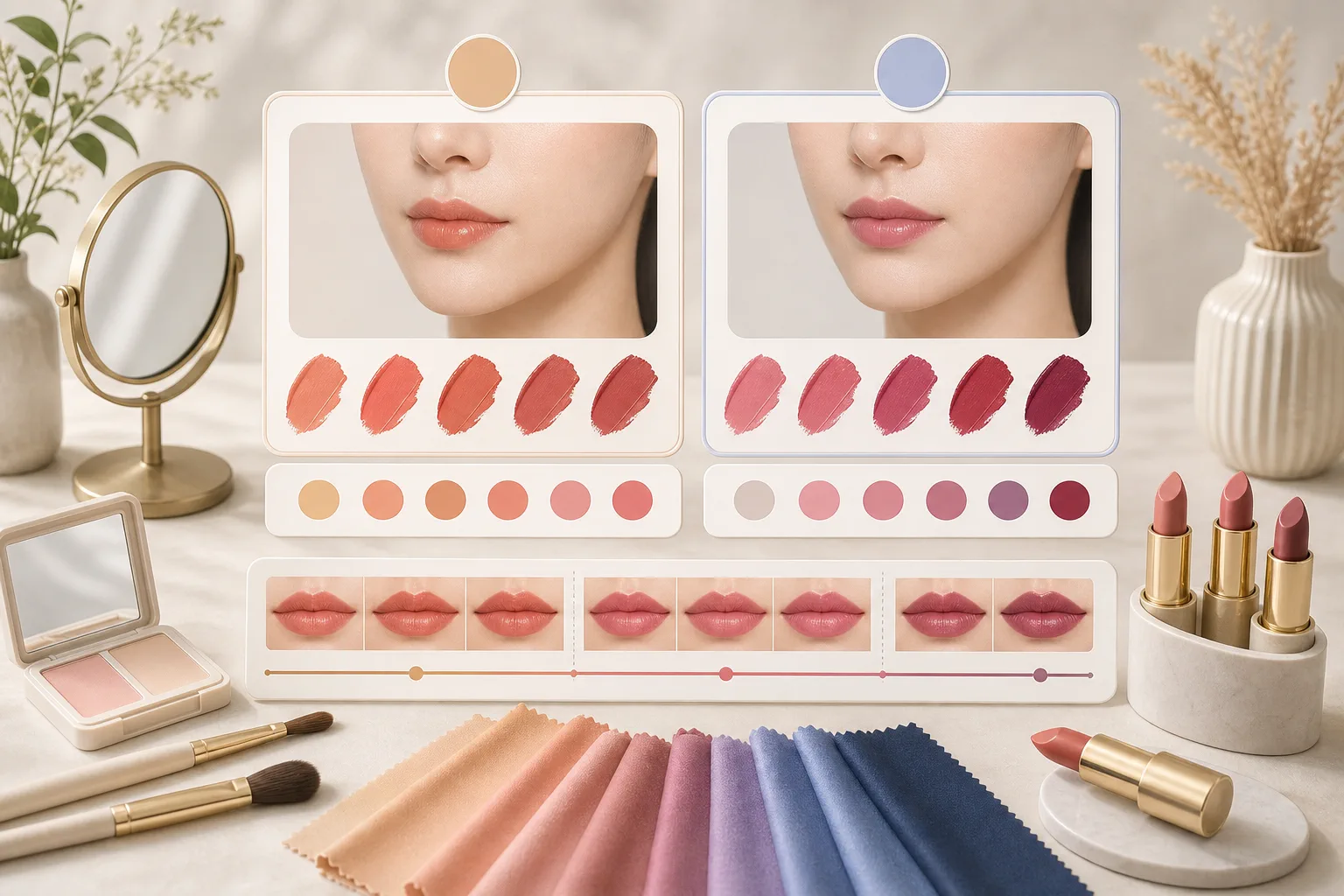
Lip Makeup by Lip Shape — Overlining, Gradient Lips, and Balancing Tips
A warm, shape-by-shape guide to lip makeup for thin, full, small, wide, downturned, and asymmetric lips — covering gentle overlining, gradient lips, matte vs glossy finishes, and how lip makeup photographs, all as a styling reference for fun.
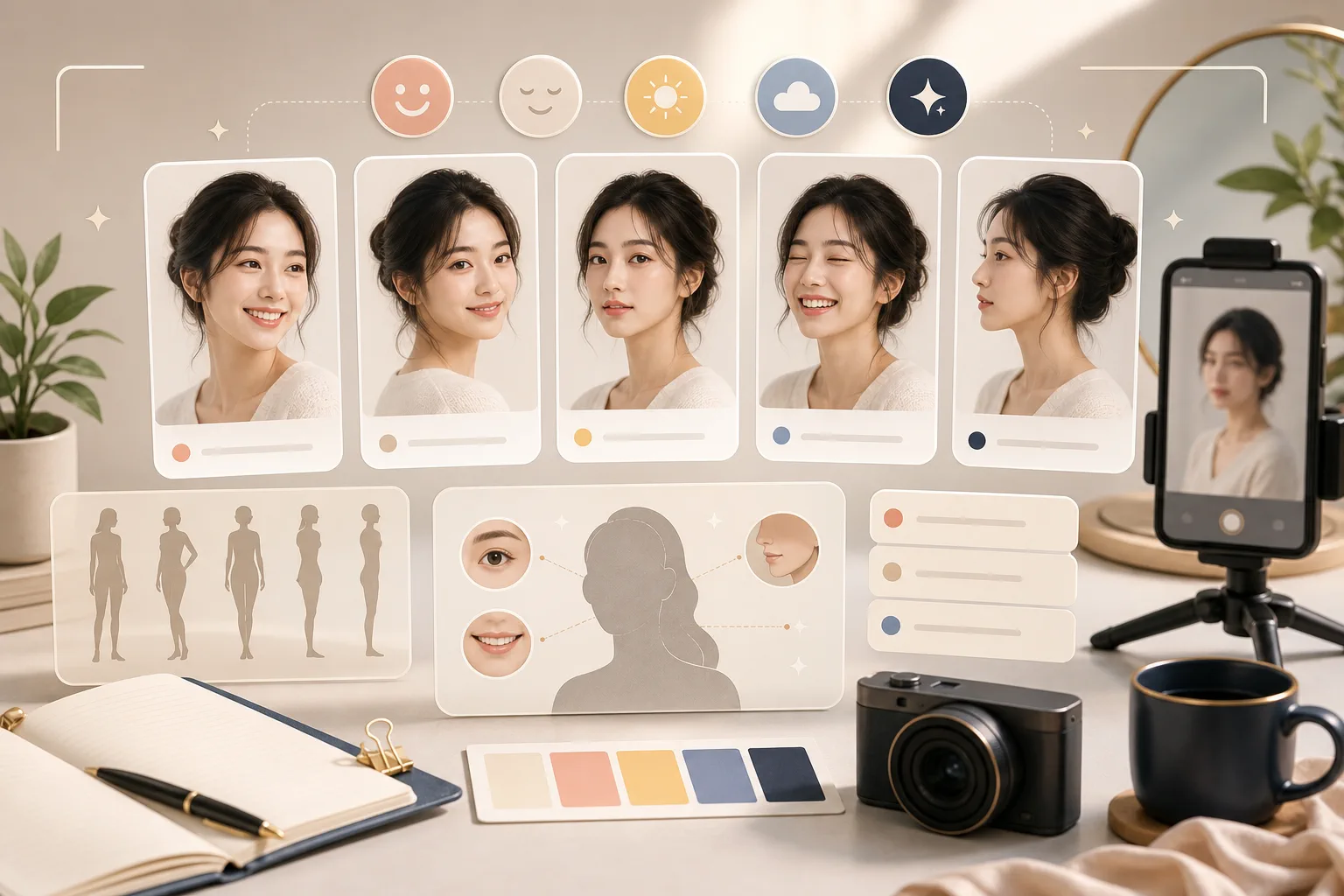
Youthful-Looking Makeup — Fresh Base, Cheeks, and Lips
A friendly styling reference for youthful-looking makeup that reads as fresh and lively. Dewy glow base over heavy matte, cream cheeks, MLBB lips, soft rounded brows, and curled lashes—the points that give a younger impression, just for fun.
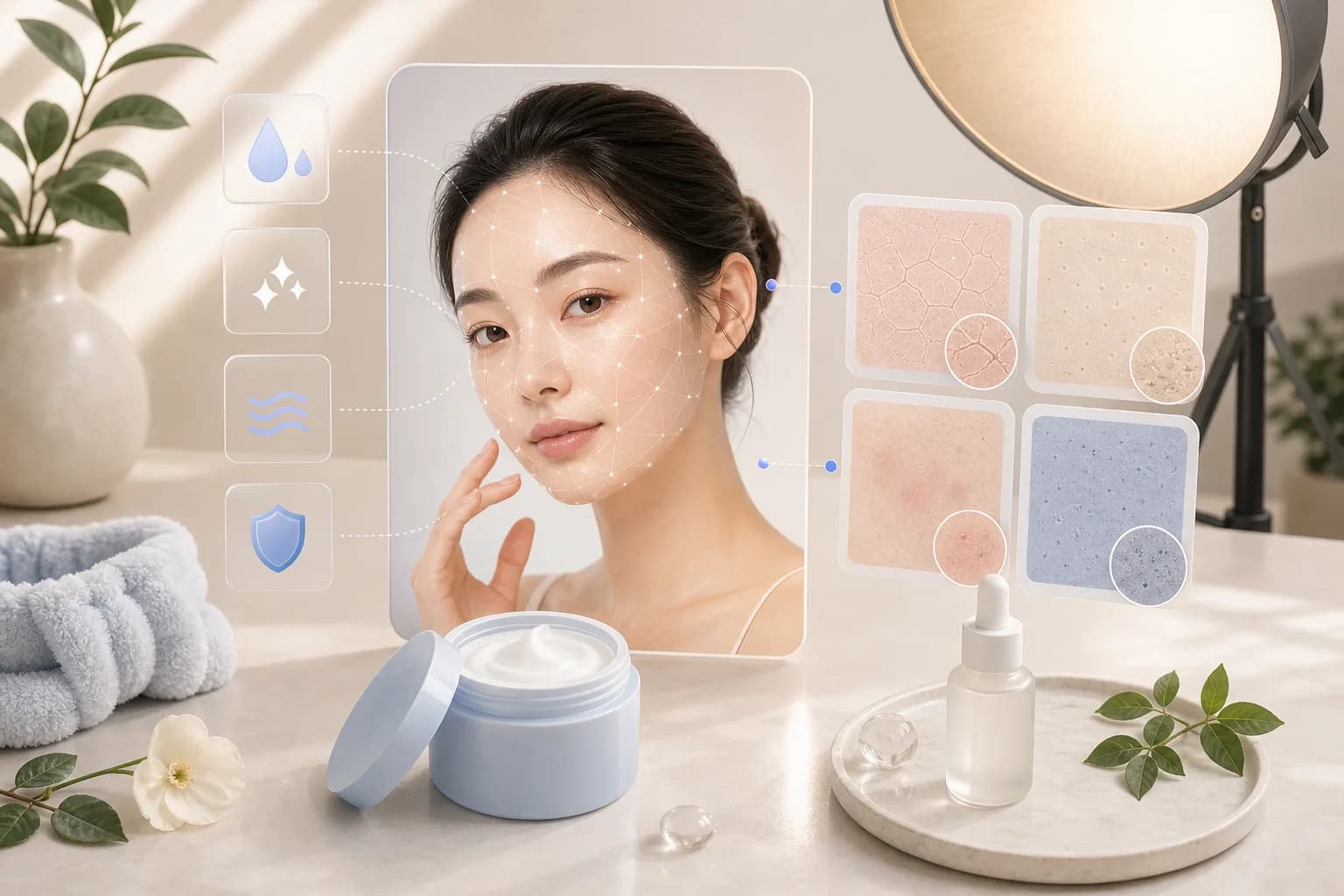
How to Cover Dark Circles and Under-Eye Shadows Naturally — A Tone-by-Tone Guide
Brownish pigment, bluish vascular, and structural shadow — a friendly guide to color-correcting, thin concealer layers, inner-corner brightening, and softening under-eye shadow in photos.
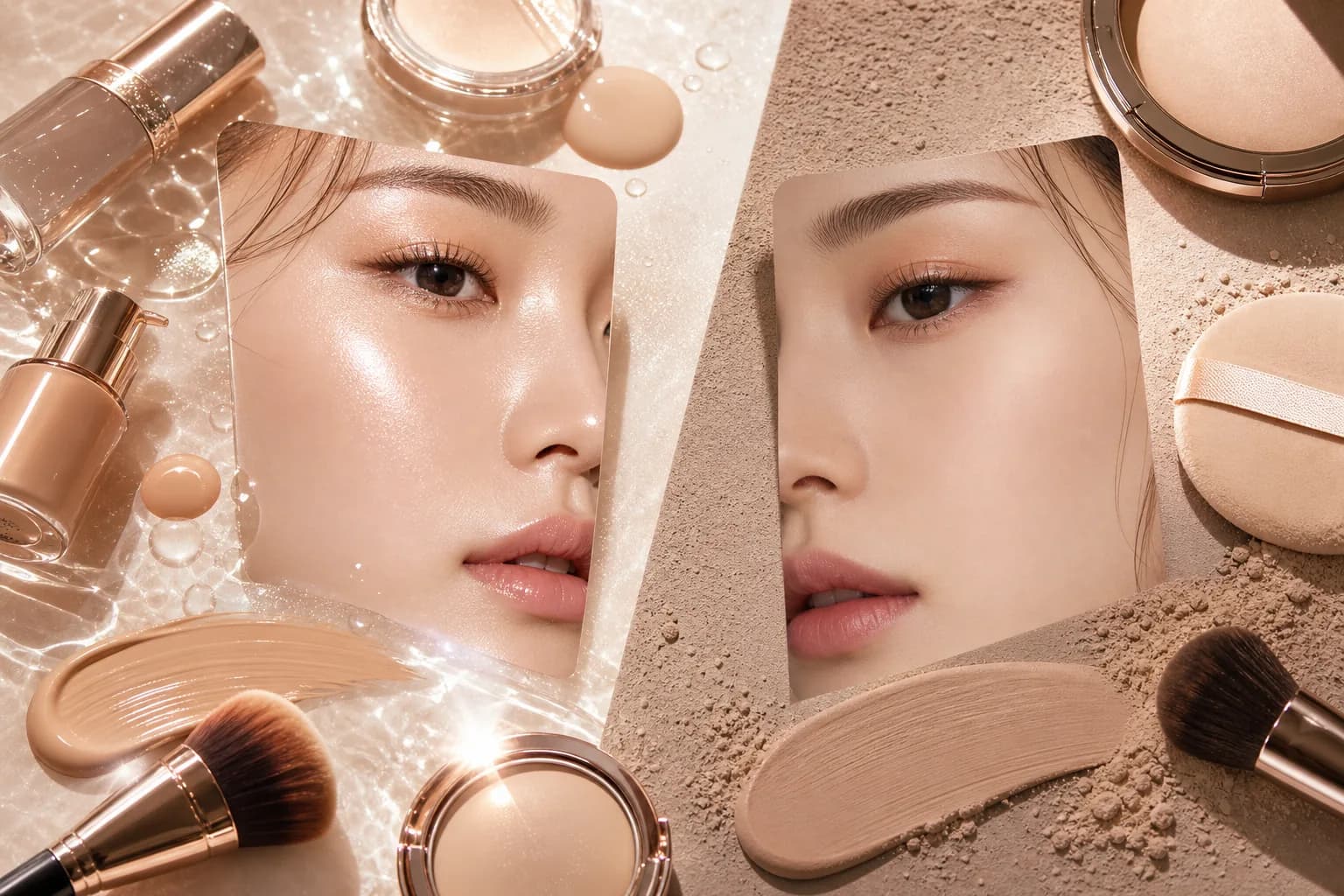
Glow vs Matte — Sorting Out Base Makeup Trends
Glow or matte base makeup—which suits you? A friendly guide to choosing by skin type and occasion, plus semi-matte and dewy in-between options, common mistakes, and tips for a finish that lasts.
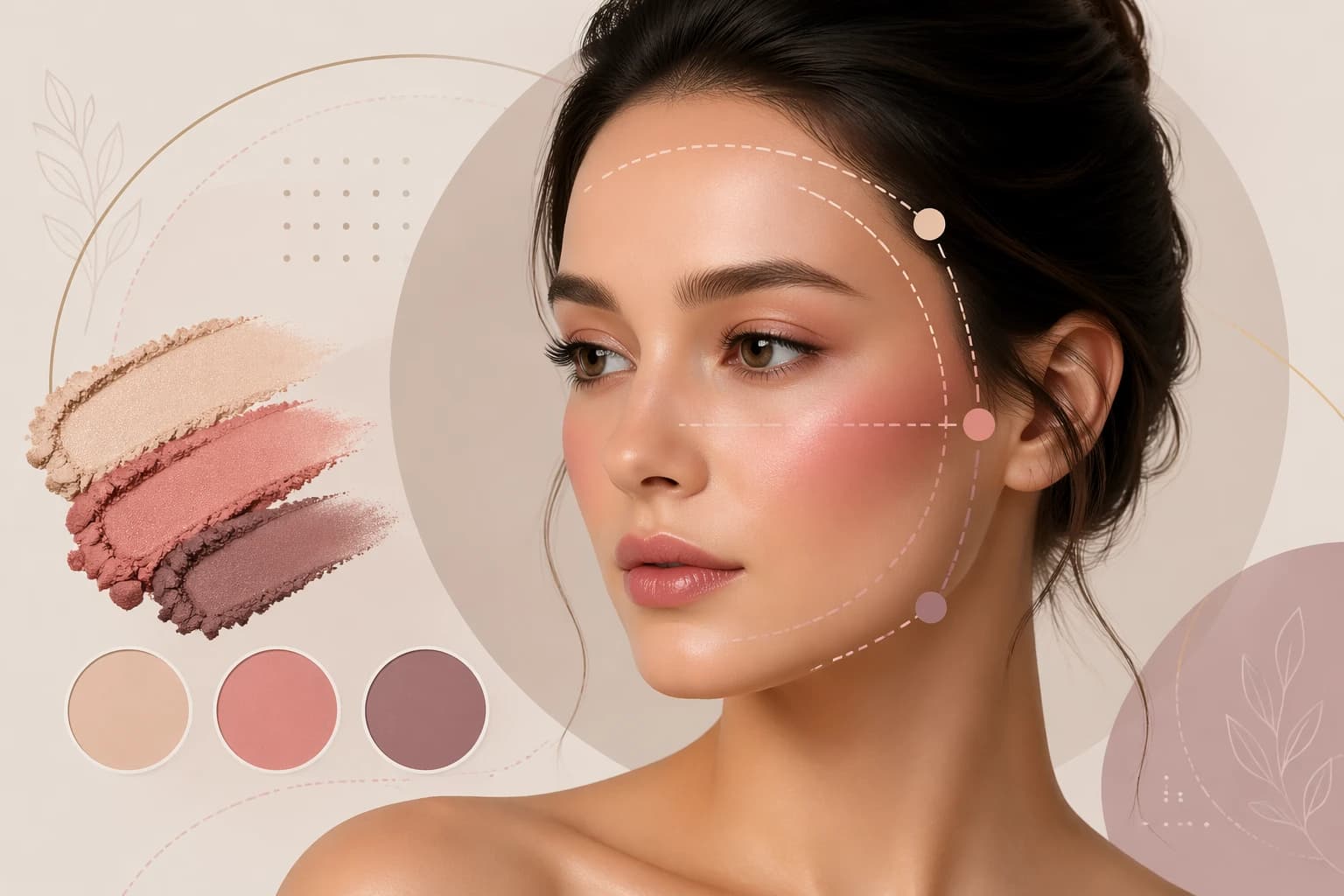
The Complete Base Makeup Guide: Choosing a Finish for Your Skin
A practical guide to base makeup finishes — matte, semi-matte, natural, and dewy glow — with tips on undertone matching, primer use, thin layering, and strategic T-zone setting.
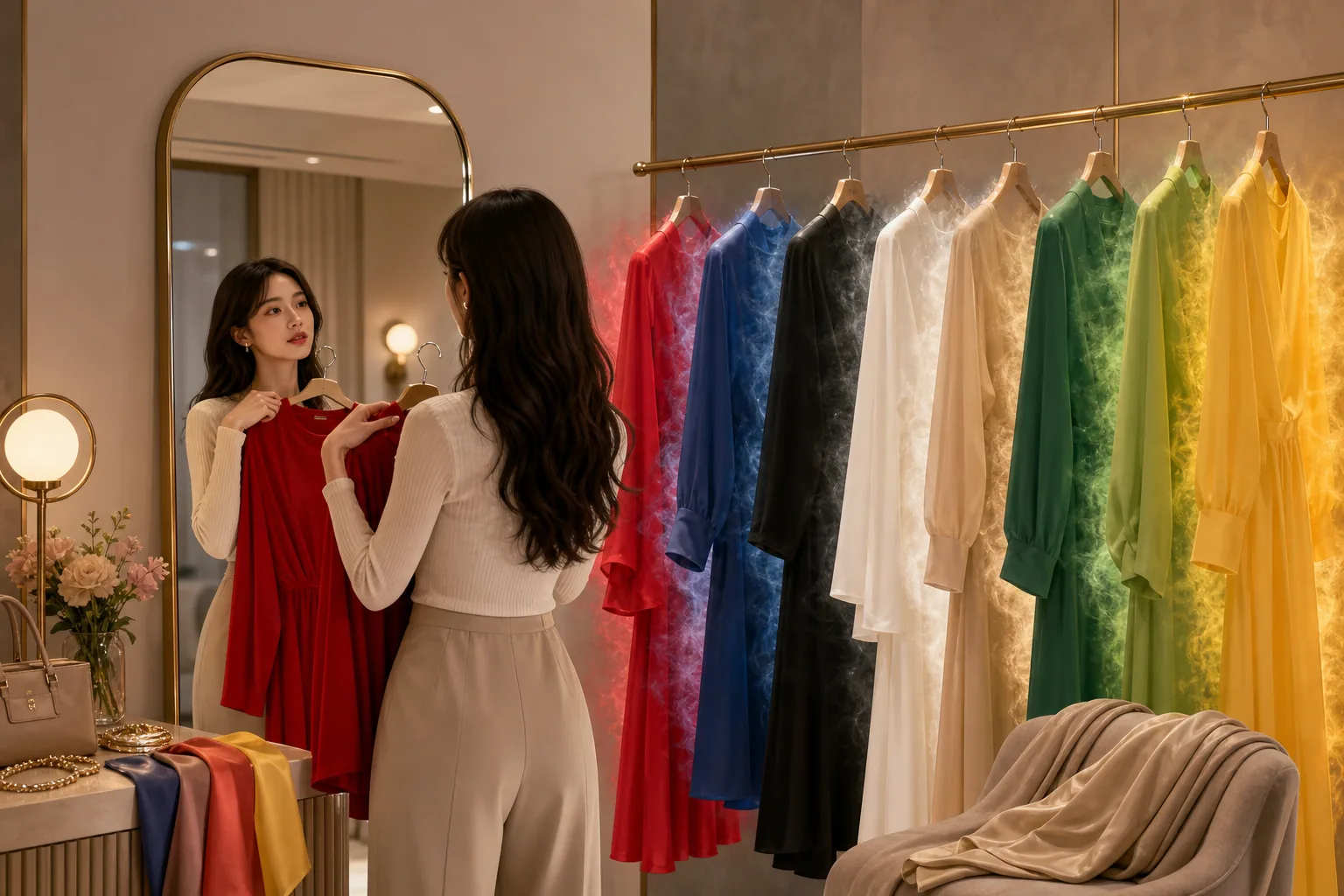
How Clothing Color Shapes Impression — A Color Psychology Primer
A fun primer on how red, blue, black, white, beige, green, and yellow shape first impressions, plus color tips for interviews, dates, and talks. Mood reference only, not a personality readout.
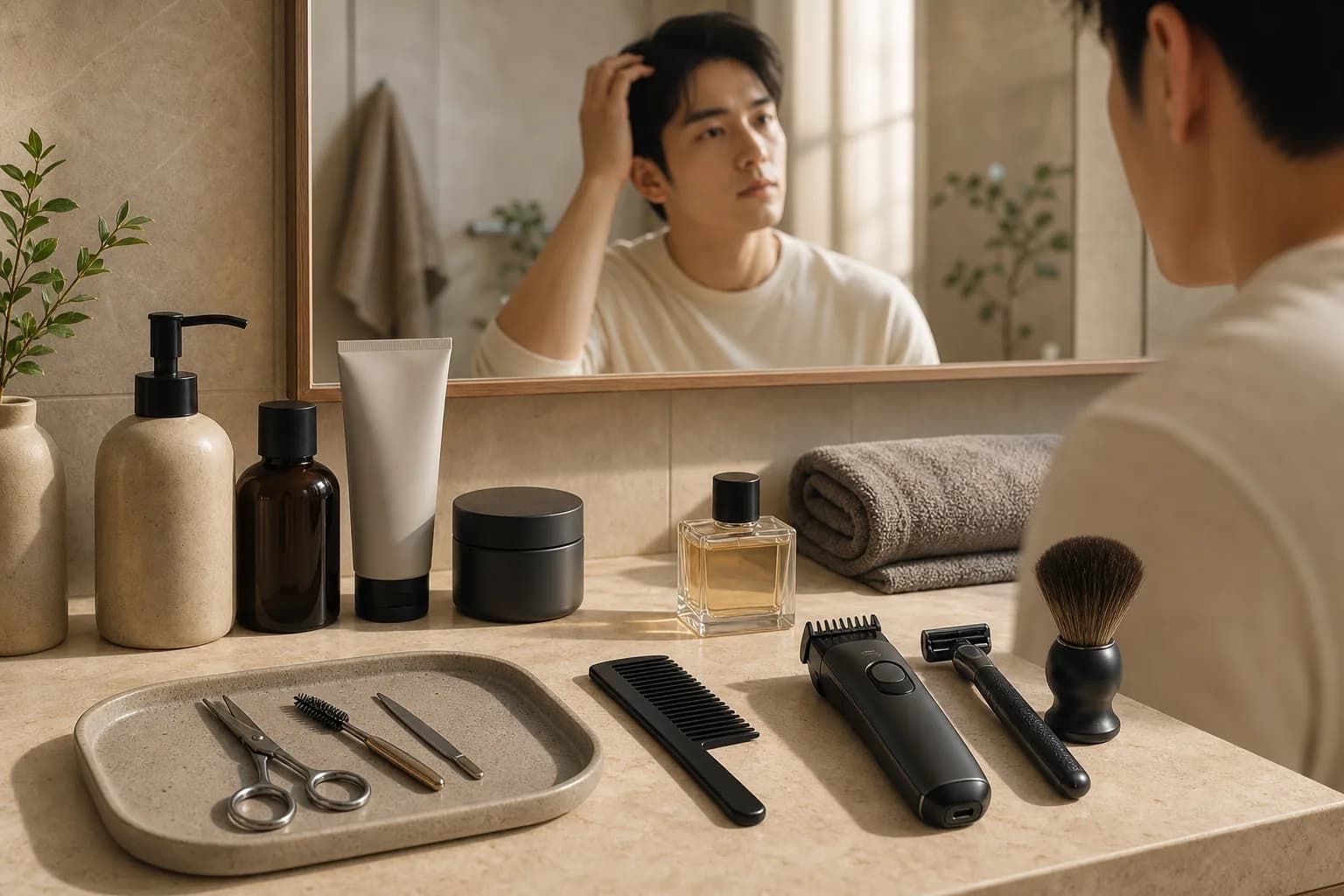
A Beginner Guide to Men Grooming — Brows, Skin, and Hair Basics
A beginner-friendly grooming guide for men, covering brows, skin, hair, beard, and scent with simple daily and weekly routines plus common mistakes to avoid.
🔮 See it from a single photo
Curious how these ideas look on your own photo? Try the tool — entertainment only.
Analyze my photo →