Photo Impression Hub
The same face reads completely differently depending on lighting direction, angle, and expression. This hub breaks the 'impression' of a photo into its components and turns them into practical selfie tips.
A photo is light + lens + angle, not just a face
Even on the same day with the same person, the impression a photo gives can change completely depending on light, lens, and angle. A high angle slightly above the head softens and shrinks the face; a low angle from below the chin tends to feel more imposing.
So if your selfies feel like they capture a different "you" every time, the variable is usually not your face but the photo environment. This hub organizes the four levers — light, angle, expression, composition — so you can figure out which kind of photo represents the impression you actually have most consistently.
The fastest variables for improving a selfie
In practice, changing the direction of light is the fastest improvement. A ceiling-fluorescent overhead light deepens the shadows under the eyes and nose and can make the face read tired. Soft natural light from a window or a ring light placed slightly above eye level produces the most stable read.
The second-biggest lever is camera distance. Holding the phone too close exaggerates the wide-angle effect — the nose looks bigger and the chin smaller. Extending your arm so the camera sits roughly 30–40 cm or more from the face stabilizes proportions.
Consistent photos help your impression more than "the perfect shot"
The goal of a profile photo is rarely a single best shot — it is having several photos that give the same impression. Once your environment (light, angle, lens) is dialed in, your selfies start landing in a similar zone and your first-impression message becomes easier to read.
FaceOracle reads a single photo into a short set of mood keywords, so a wobbly environment produces wobbly keywords. The most useful way to use the tool is to compare two or three selfies shot with the same light and angle, not one isolated shot.
Three shooting setups you can copy straight off the page
We've talked at length about light, angle, and lens, so let me show you how all that actually comes together. These are setups you can copy as-is. Say you want to look approachable. Stand by a window, take the daylight head-on, and put the camera just a touch above eye level. Shoot at nearly full arm's length and add a small smile, that's it. If your face reads round, a curl with some volume at the sides or a light layered cut sits well with that soft feeling, and rounded-corner metal frames soften the mood a notch. Go with warm, low-chroma clothing colors like coral, ivory, or pale beige. A coral-pink lip, gold-tone metal on any accessories. Put it together this way and people land somewhere around 'easy to talk to.'
Other times you need to come across as tidy and capable. For that, run even daylight around 5000K from both sides to cut the shadows, and set the camera dead level with your eyes. Leave the background a neutral gray or white, and keep your face calm with just the faintest lift at the corners of your mouth. An angular face gets backed up nicely by a clean short undercut or a neatly swept-back cut, and thin rectangular frames with their straight lines fit the look. Lean your colors toward near-neutrals like navy, charcoal, or white to push the contrast, keep the shirt collar crisp, and pare accessories down to silver. The photos pull toward dependable and put-together. The wild part is how completely different the same person reads compared with the first setup.
Last one is for an emotive outdoor mood. Take golden-hour light on just one cheek, keep the contrast low, and leave the background empty: a slice of sky, some blurred trees. A long face benefits from see-through bangs grazing the forehead or natural waves, both of which trim the vertical line. Skip the glasses, or if you keep them, thin round frames suit the dreamy tone. Dress in desaturated colors like dusty pink, sage, or light brown, wear a nude lip, and go matte gold on the metal or drop it entirely. Calm and warm comes through. In all three the face never changed, only the stage props did: light, clothes, angle. So the easiest way to adapt these is to pick the mood word you're after first, then fit the pieces to it.
None of this scores anything or decides what's better. It's just a styling game for shifting the vibe around. Keep it light, and only try it on photos you shot yourself or ones you have permission to use.
Frequently asked questions
Why does my face differ in the mirror versus a photo? A mirror shows a flipped image you see daily; a photo shows the left-right others see. It is usually familiarity, not asymmetry.
My selfies always feel awkward. Change light and distance first. Swap ceiling light for window daylight, hold the phone about an arm’s length away, and zoom in slightly — proportions and shadows settle.
Which photo makes a good profile? Not one best shot, but several frames with the same light and angle that give a consistent impression, so your first impression reads the same way each time.
Articles in this hub
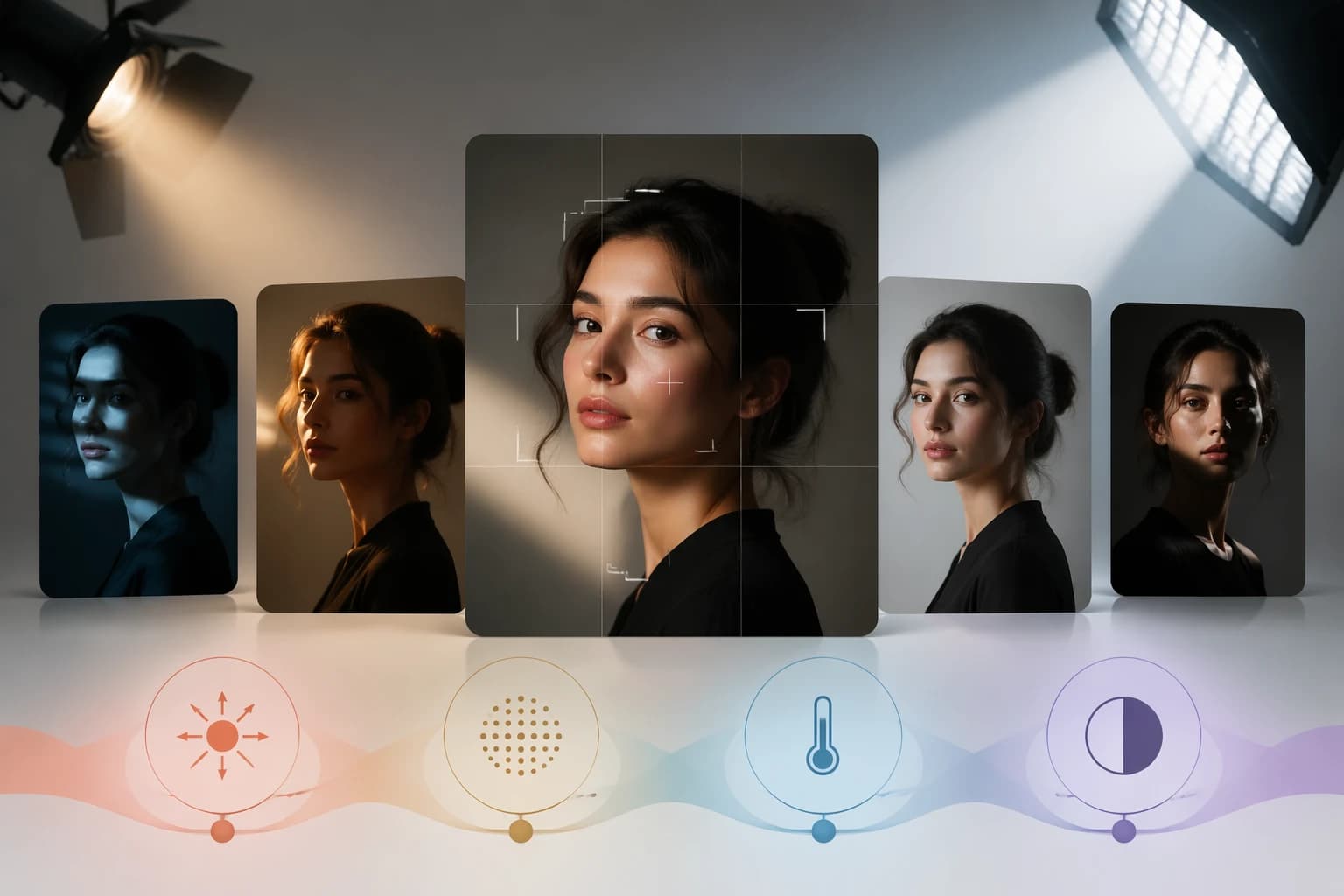
How Lighting Changes Facial Impression in Photos
Four properties of light — direction, quality, temperature, contrast — and how each reshapes the impression of a face in a photo.
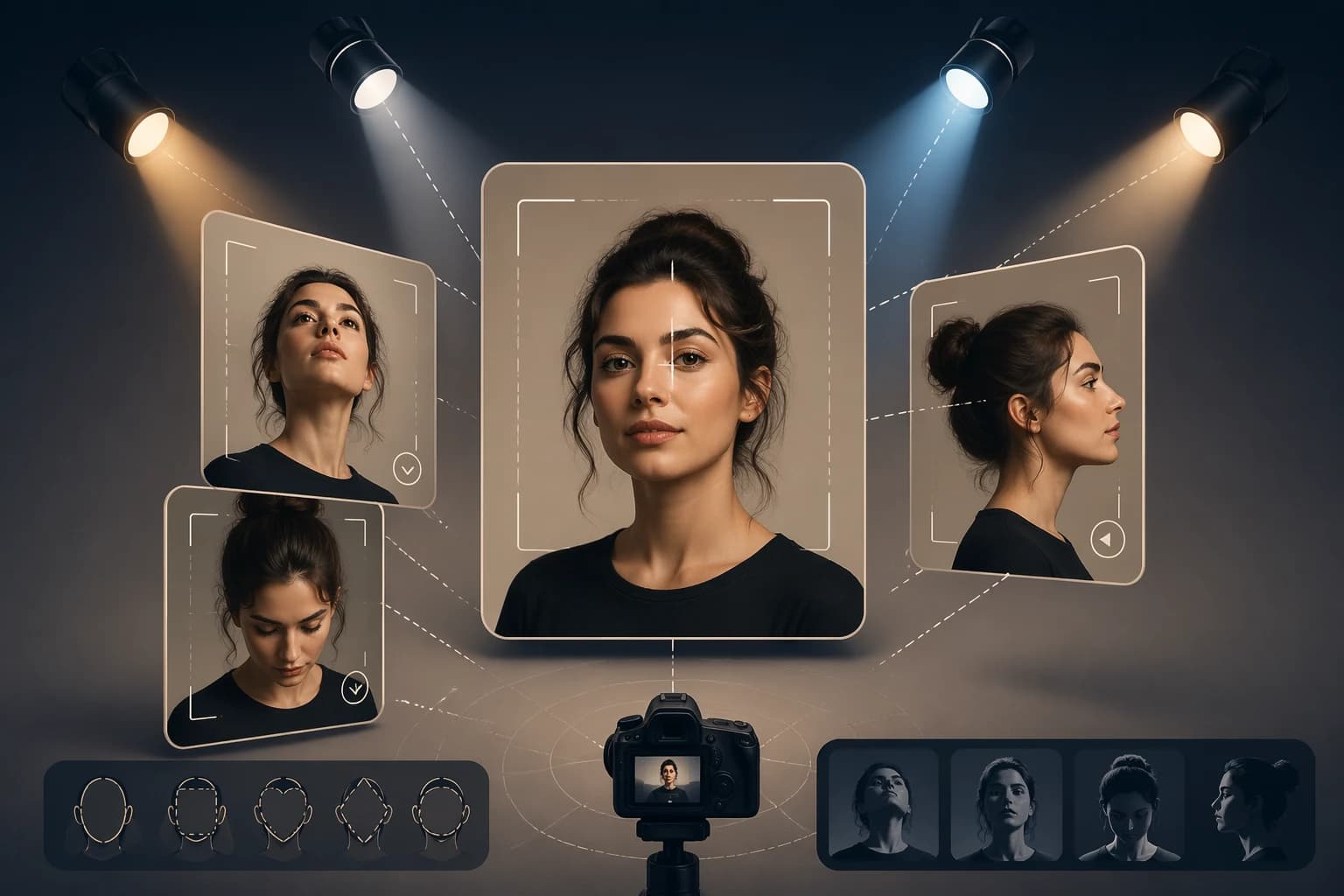
How Camera Angle Affects First Impressions
Eye level, low, high, profile — one angle change can reshape a first impression, plus face-shape hints.
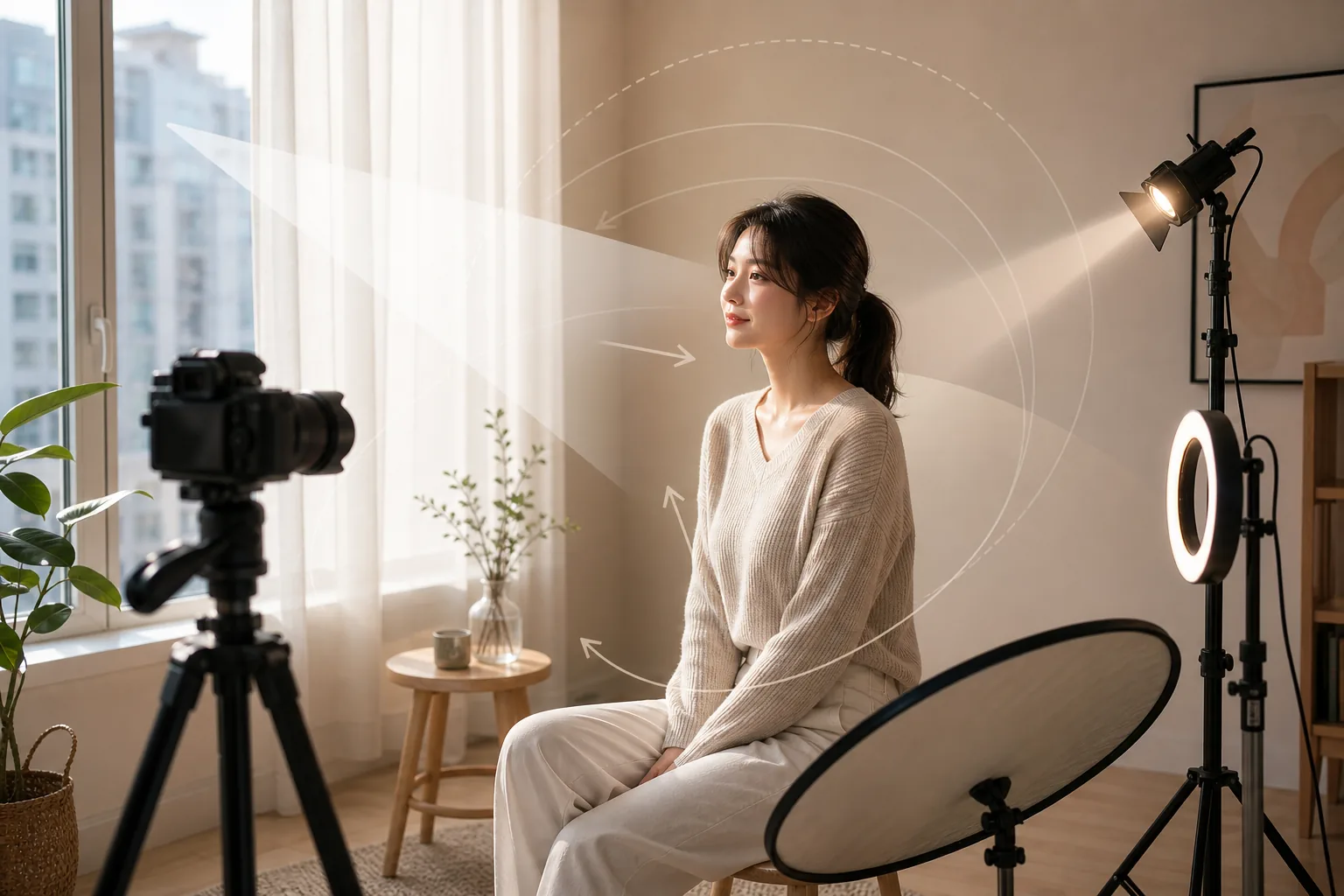
Profile Photo Guide — Lighting, Use Cases, Low Light
Flattering profile-photo lighting at home for free — direction, size, and color temperature, window light and a ring light, plus by-use-case picks (resume, social, dating, ID) and low-light tips.
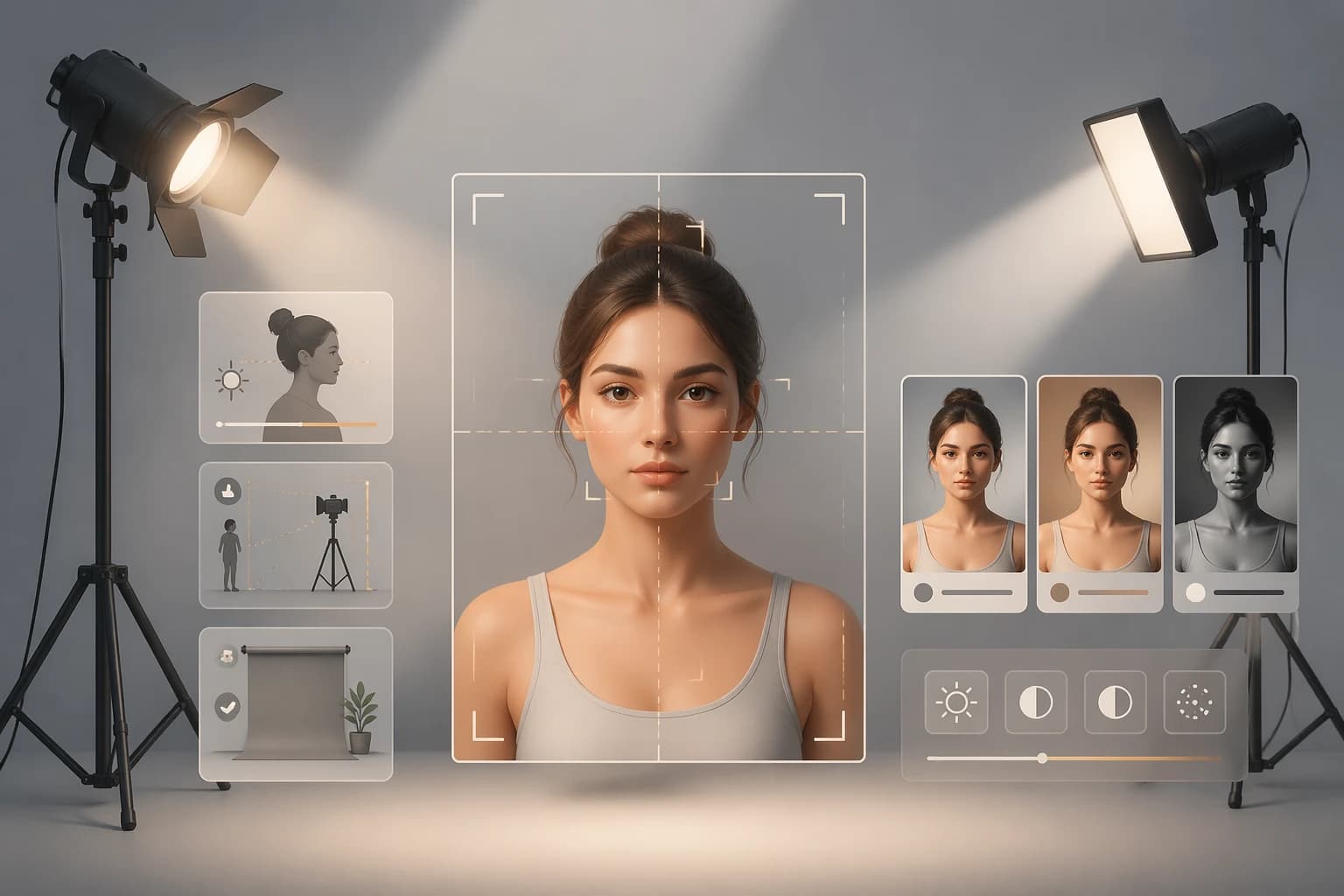
How to Take Better Analysis Photos
Lighting, distance, background, filters — a shooting guide for the factors AI reports are most sensitive to.
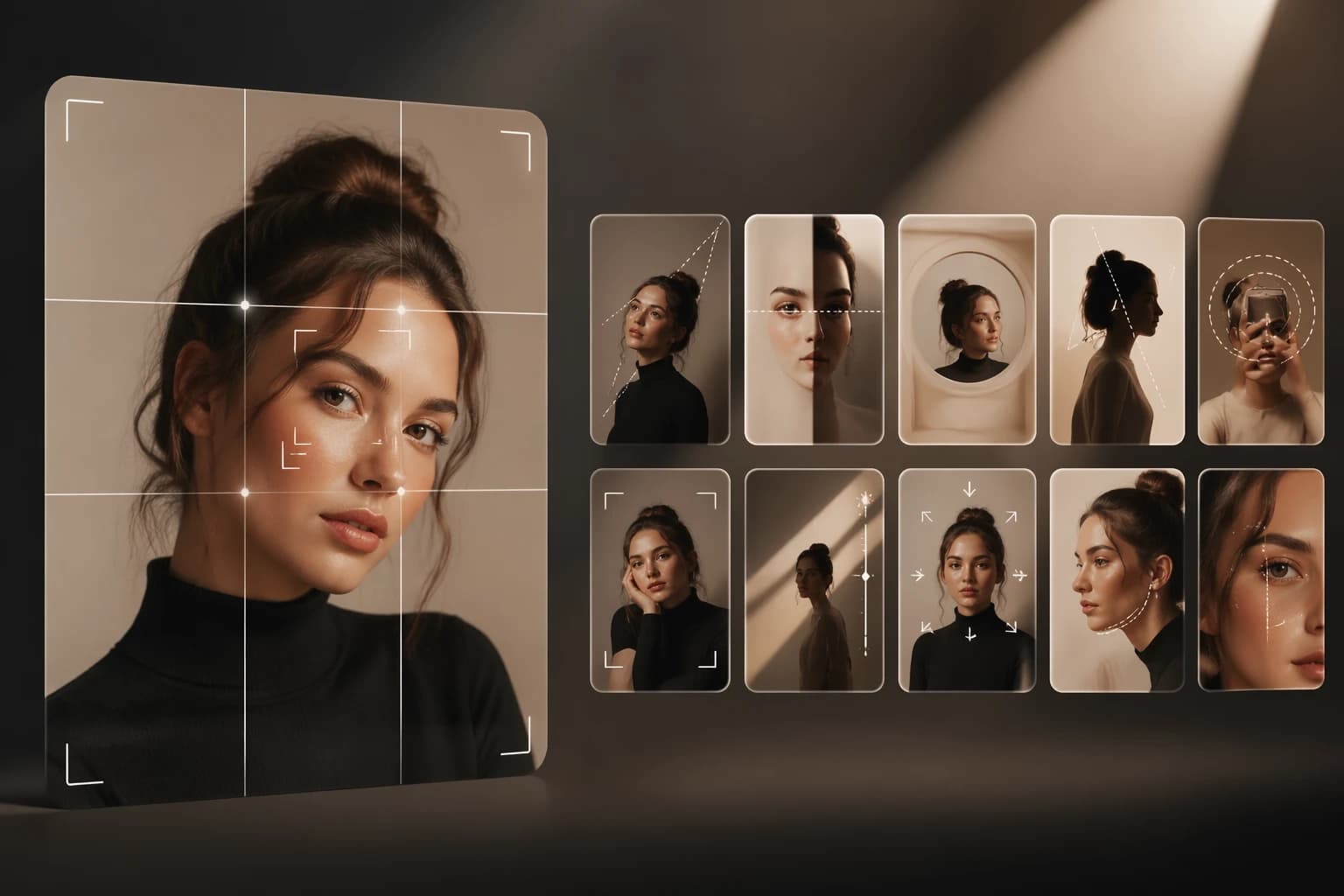
Portrait Composition Tips for Better Selfies
Ten composition tips you can apply immediately — rule of thirds, gaze split, frame within a frame, the 3-second rule.
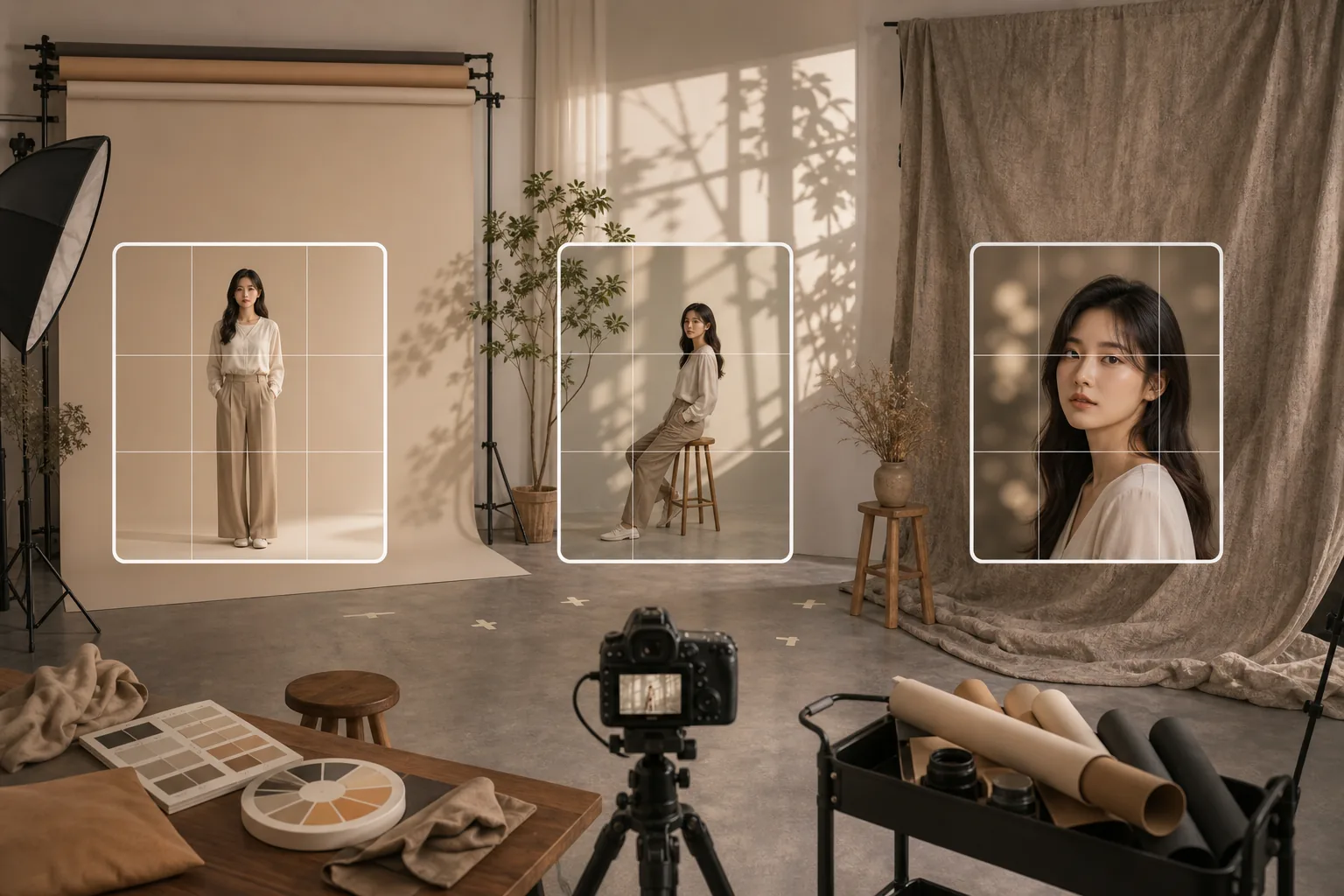
Changing the Mood of a Photo with Background and Composition
The same face can feel completely different just by changing the background and composition. A friendly styling-reference guide to thirds, negative space, plain backgrounds, shallow depth, and framing.
Color Coordination in Photos — Clothes, Background and Light
Good photos follow color rules. Background, color temperature, the 60-30-10 rule, and near-face color — principles that reduce color-coordination misses.
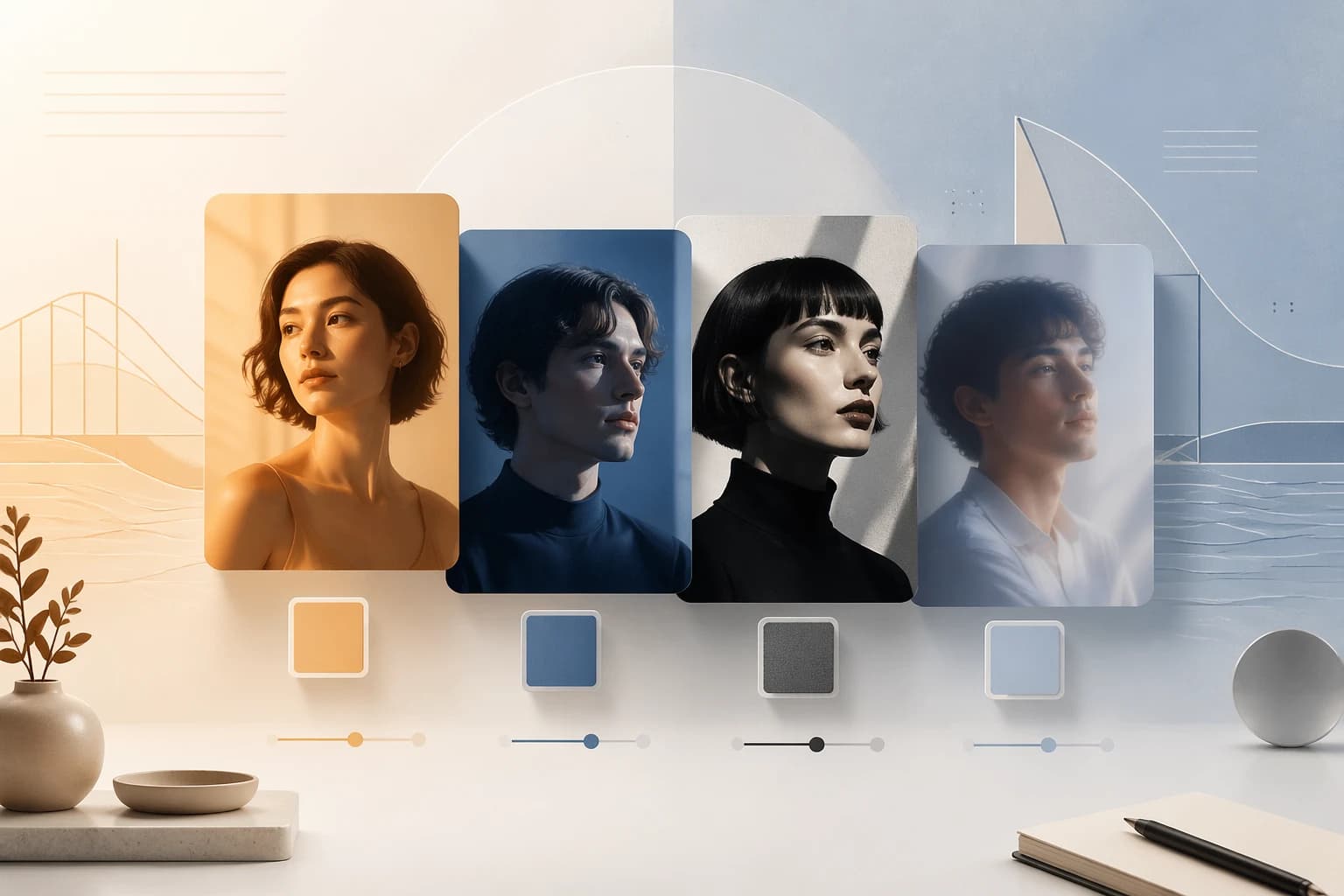
What Makes a Portrait Feel Warm, Cool, Sharp, or Soft
Why the same face can read so differently — color temperature, contrast, texture, and styling combined.
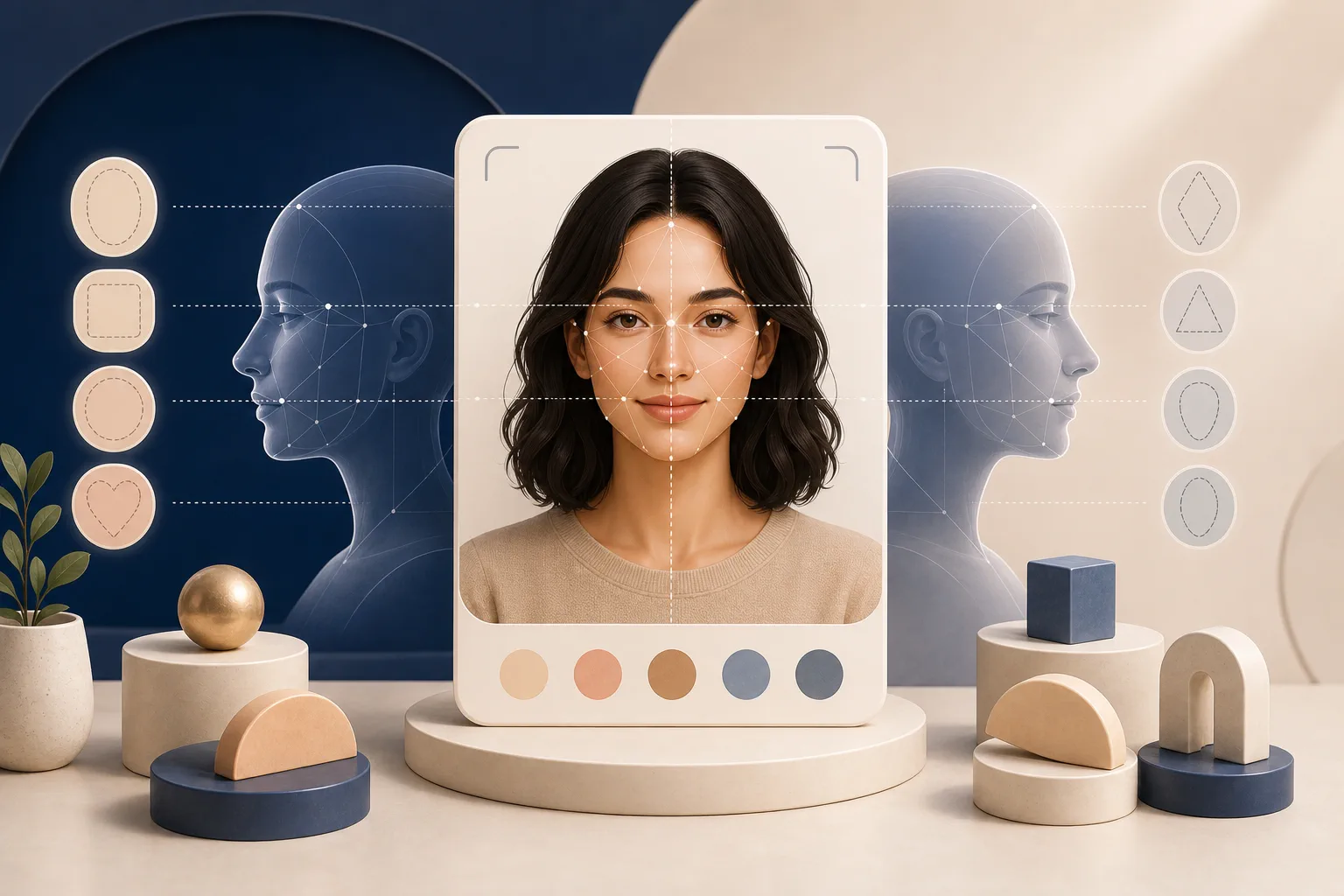
Face Asymmetry — A Gentle Self-Check and Natural Balancing
Face asymmetry is natural for nearly everyone. A gentle self-check, the limits of symmetry and golden-ratio numbers, and styling with parting, hair, and angle — a fun reference, not a judgment of the person.
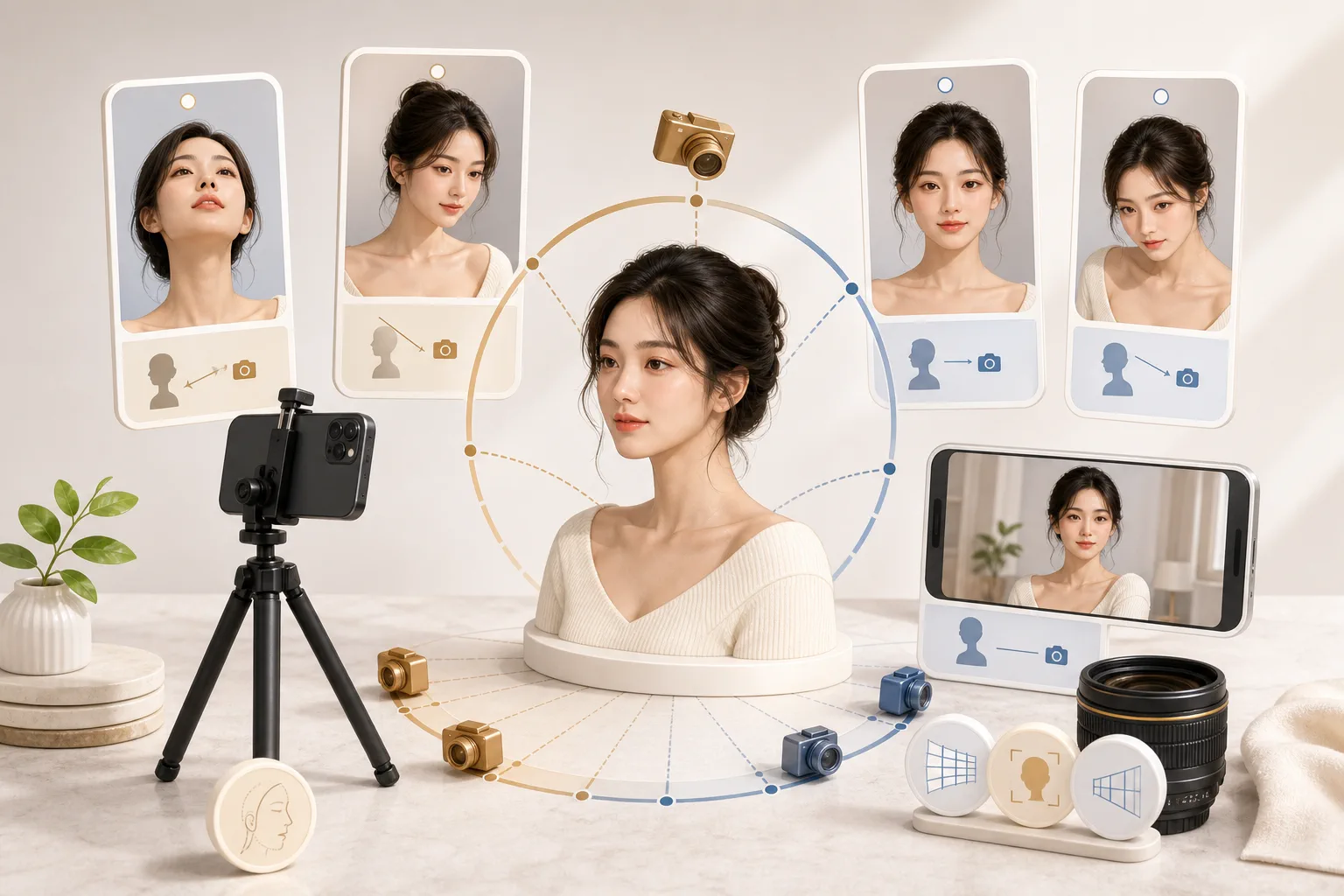
Why Selfies Look Different From Real Life — Lens, Distance, and Angle
If a selfie feels different from the mirror or real life, it's usually the physics of lens, distance, angle, and light, not your looks. A friendly styling-reference guide to perspective distortion and mirror flip, plus arm-length distance, eye-level framing, and rear-camera tips.
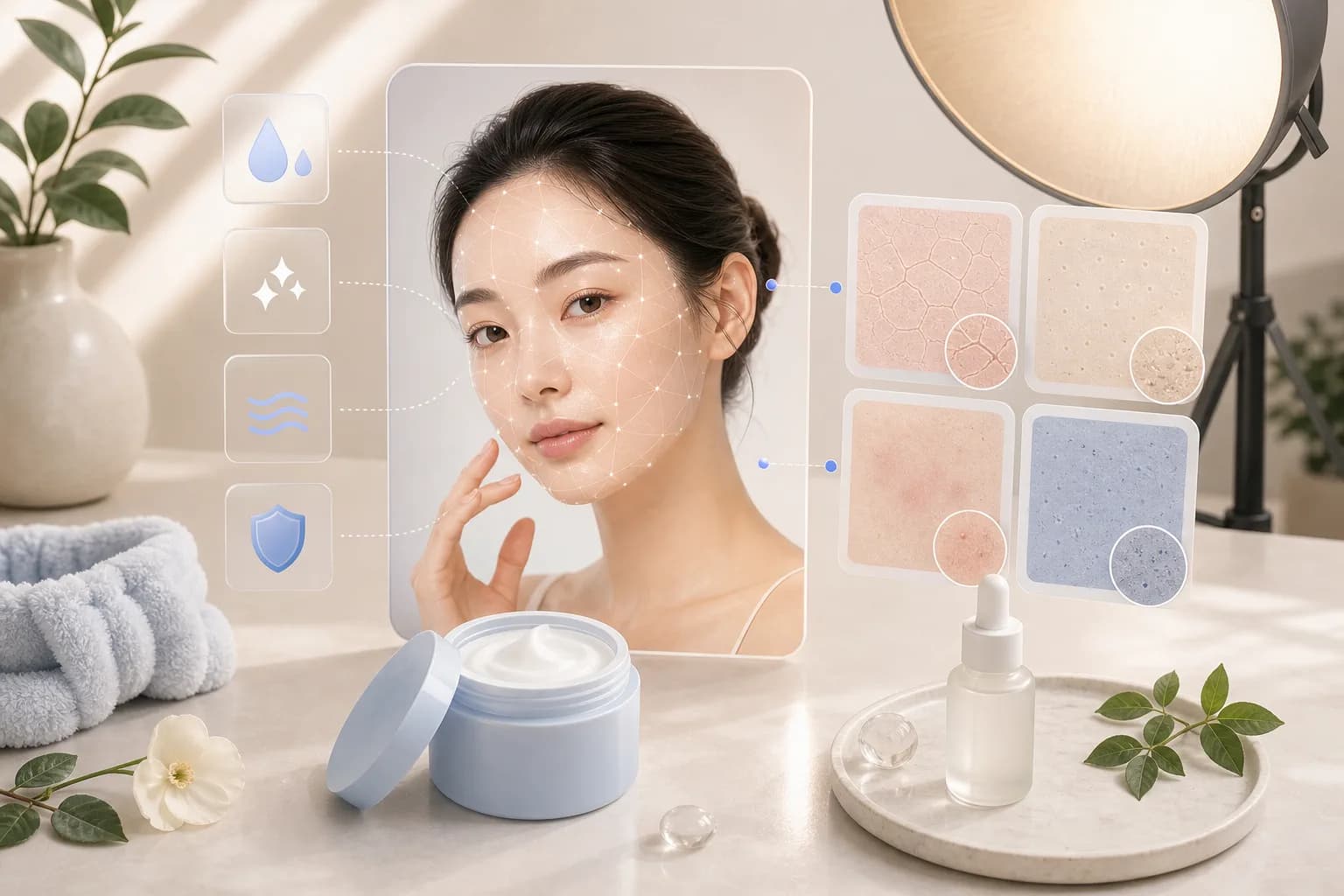
Capturing Better-Looking Skin in Photos — Light, Texture, and White Balance
A practical guide to shooting environments that make skin look better in photos. Use soft directional light, golden-hour warmth, and balanced white balance for a natural tone, plus diffusers, reflectors, distance, focus, and a light base. This is about how skin photographs, not a health read.
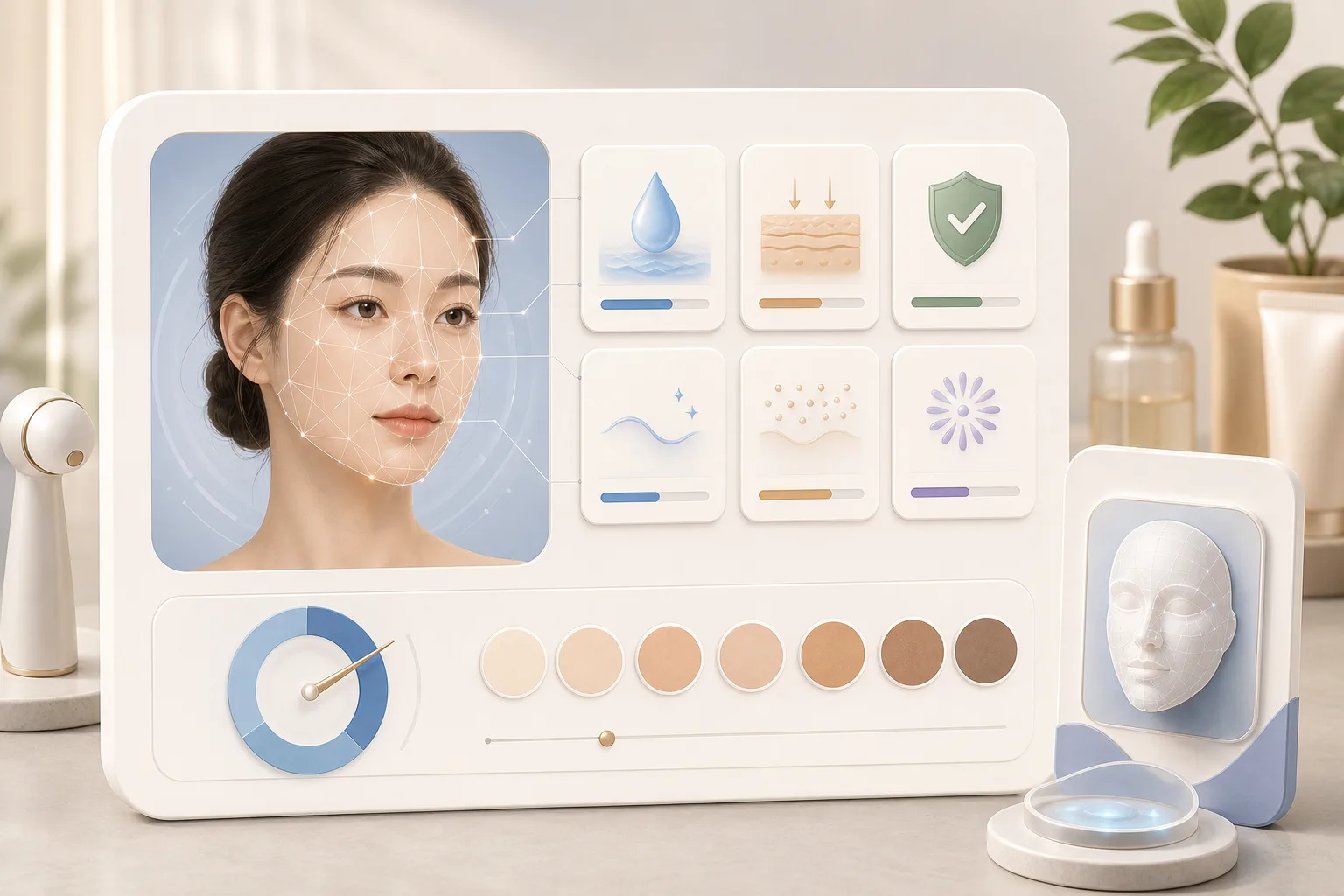
How to Read Your AI Face-Mood Report — Making Sense of Scores and Moods
An AI face-mood report's scores and moods are a for-fun snapshot of one photo's light, color, and expression. Here's how to read the results wisely, why the same person gets different results across photos, and how to get a more representative read.
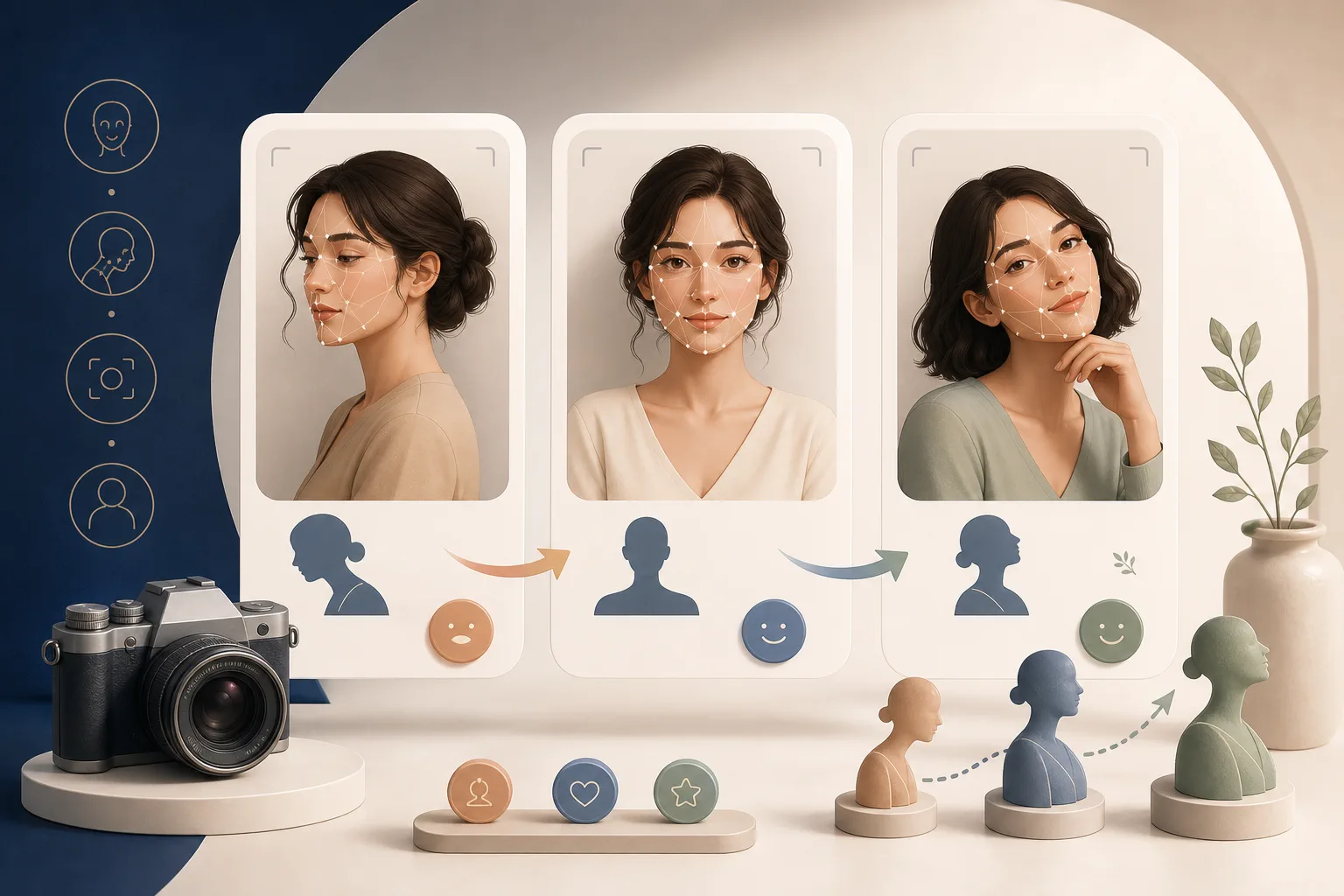
When a Neutral Face Reads as Cold — The Psychology of a Resting Expression
A friendly look at why a relaxed neutral face can read as cold, and gentle ways to soften the impression in photos and first meetings. It is about impression, never a verdict on who you are.
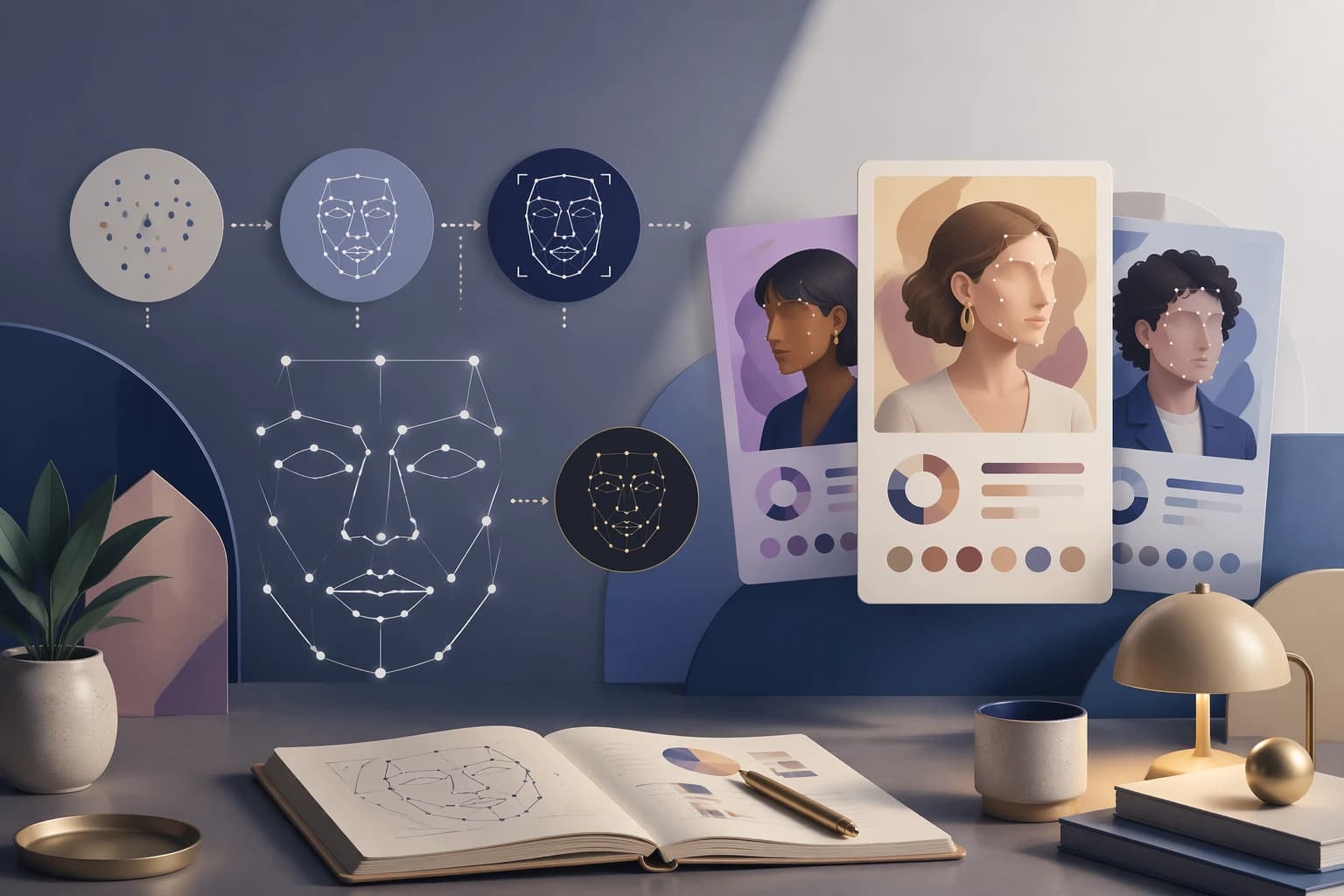
What Does AI See in Faces? — How Face Recognition Works
The 3 stages of AI face-detection research, 68 landmark points, and how FaceOracle turns them into a style-mood card.

Why a Photo Gives a Different First Impression Than Meeting in Person
A friendly guide to why a single photo reads so differently from meeting someone in person, and how to pick a frame that comes across warm and open. It covers micro-timing, gaze, smile, angle, and head tilt.
🔮 See it from a single photo
Curious how these ideas look on your own photo? Try the tool — entertainment only.
Analyze the vibe of a photo →