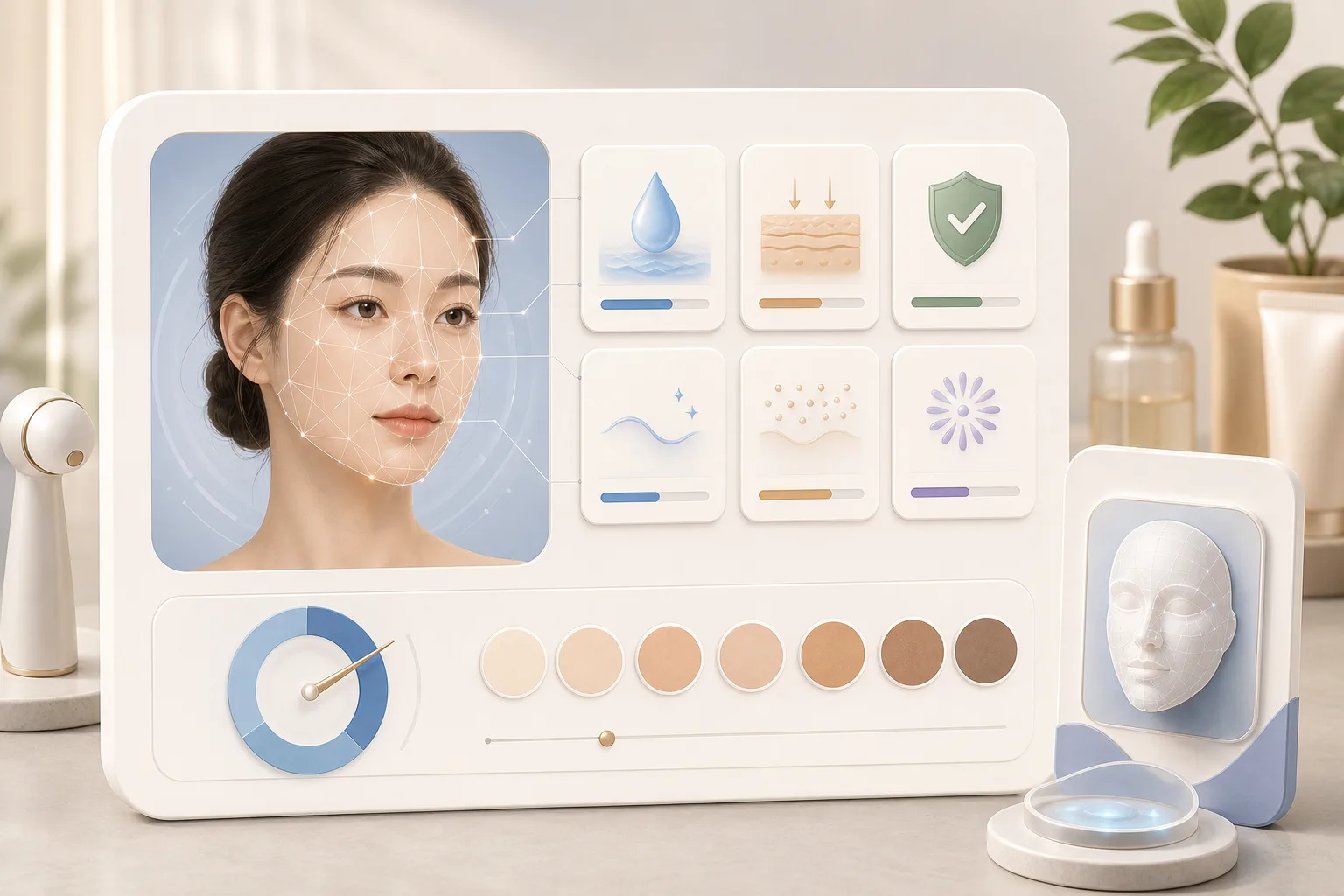
A mood score reflects the vibe of one single photo
The first time you get an AI face-mood report, the score and mood name on screen can feel like a tidy conclusion about who you are. But take one step back and you'll see the result is really reading the vibe of the one photo you just uploaded. Which direction the light came from, what colors your clothes and background are, whether your expression is bright or calm, where your face sits inside the frame — all of these on-screen elements add up into a single mood.
So a mood score is closer to a snapshot that lightly translates 'how this photo feels today' into numbers. Just as a photo studio can capture the same person with completely different feelings depending on lighting and backdrop, a mood report shifts right along with the photo you feed it. A high score doesn't make you a better person, and a low one doesn't make you lacking. It simply shows what color and light this particular photo happened to wear.
This report is a for-fun reference for impressions and styling. It does not judge personality or ability, and it does not put a value on the person. If you read the result as a 'mood memo for this photo' rather than a 'verdict about me,' it becomes much lighter and more fun.
What a mood report does NOT claim
To read results wisely, it helps to be clear about what this report doesn't touch. A mood report only looks at a photo's vibe as a reference; it isn't a tool that tries to settle anything beyond that. Drawing that cheerful boundary lets you keep the fun without being swayed by the numbers.
It doesn't judge what kind of person you are
A mood report does not judge personality or ability, and it does not peer into your health or state of mind. A calm expression in a photo doesn't mean you have a calm personality, and a bright mood result doesn't lead to a conclusion that you're an outgoing person. An expression is just one frame from a single moment, so it can't stand in for the deeper sides of a person. Think of the result as speaking only about 'the vibe this photo gives off.'
It doesn't settle your identity, age, or gender
This report does not pin down age or gender, and it doesn't try to sort out nationality or ethnicity. It isn't an identity tool for confirming who someone is, and it has no aim of singling a person out. It simply gathers the color, light, and expression mood of one photo as a styling reference. So instead of arguing that it 'nailed the real me' or 'got it wrong,' it's easier on the heart to take it as one frame of today's photo vibe.
Why the same person gets different results across photos
This is the part people find most surprising. It's the same you, yet yesterday's selfie and today's selfie come back with different moods. That isn't the report being moody — it's because the input changed. The AI reads the on-screen information in the photo, so when that screen changes, the result naturally moves with it.
Light has the biggest effect. Shoot in soft daylight by a window and you tend to get a bright, clear mood; shoot under warm yellow indoor lamps and you tend to get a warm, calm one. Angle plays a part too. Hold the camera slightly above and a crisp, fresh impression shows up; tilt it upward from below and a heavier impression gets emphasized. Add expression, background color, and clothing color on top, and the on-screen vibe of the very same face can shift plenty.
So getting different results from different photos is actually the natural thing. A mood report isn't a machine that dispenses one fixed answer — it's closer to a mirror that reflects the vibe of that moment's photo. Once you know it won't be identical every time, comparing several shots becomes a fresh little game. If you're curious about what the AI reads from a photo, the how-it-works piece is a nice light add-on.
How to take the score — like a for-fun snapshot
When a mood score shows up, it suits it best to take it as lightly as reading a one-line daily fortune. The score isn't fixed truth; it's a cheerful memo about what vibe this photo gives right now. If it's high, smile and think, 'oh, this shot came out bright today'; if it's low, just take it as 'maybe I'll tweak the light and try again.'
Comparison is healthiest between yesterday's you and today's you, or among different versions of the same photo. The moment you stack your score against someone else's to rank who's better, a for-fun tool suddenly starts to feel like a heavy report card. A mood report isn't about deciding who's superior — it's closer to play, watching how color and light reshape an impression. For a fuller take on receiving entertainment-style results wisely, the dedicated piece is a good place to continue.
When you try it with your own photo — start with privacy
The first thing worth minding when you enjoy a mood report is where the photo came from. The basic rule is simple: use only your own photos, or photos you've been given permission to upload. For a photo with a friend's face in it, get that friend's okay first, and it's kinder to everyone not to upload a stranger's photo.
It's also nice to pause for a beat before screenshotting a result to share. If you pass it along with the context that the mood name and score are just a for-fun frame, the people seeing it can take it lightly too. More concrete standards for handling photos and personal information are laid out in the privacy guide, so it's reassuring to look it over alongside this.
A tiny check before sharing
Before you tap share, bring three things to mind. One, whether you have the right to post this photo. Two, if there's another person in it, whether they're okay with it too. Three, whether you've passed the result along in a 'fun vibe reference' tone. That small habit alone lets you keep the joy and shed the worry.
| Situation | Easy misread | Wise read | Next small step |
|---|---|---|---|
| Score comes out high | It means I'm a better person | This photo's light and color came out bright | If you like it, just enjoy it |
| Score comes out low | It means I lack appeal | A cue to change the light or angle and reshoot | Take one more by a window |
| Results differ per photo | It means the report is wrong | Natural, because the input photo changed | Compare several frames |
| Mood name feels unfamiliar | It means it missed me | Just one frame of today's photo vibe | Smile lightly and move on |
If you want a more representative mood
Sometimes you'd rather check your mood with a shot that shows you well. In that case, lightly adjusting the photo's conditions alone makes the result settle more steadily. The keys are light, expression, and not one photo but several.
First, soft and even natural light is the easiest. Stand facing a window so your face gets fewer shadows, and color and mood read clearly. For expression, a slightly relaxed, natural look beats a forced smile. The more you drop the tension in your shoulders and shoot close to your everyday self, the closer the result lands to your usual impression. And rather than stopping at one shot, compare two or three while changing the light and angle a little, so you can see which mood keeps showing up.
Gather several frames like this and you can read a mood report far more wisely. Instead of rising and falling with one photo's score, take the vibe that keeps recurring as 'the texture of my photos lately.' Concrete shooting tips for better photos are spelled out in a separate piece, so glance at it before your next selfie. In the end, it all gets more fun when you remember this is play — a cheerful way to look at yourself.
Frequently asked questions
If my mood score comes out high, does it mean my face is prettier?
No, the mood score is just a fun read of the color, light, expression, and composition in the one photo you uploaded that day. It does not rank looks or judge your personality or abilities, so enjoy it as a light styling-reference snapshot.
It's the same person, but the results are so different from photo to photo, why is that?
The report reads the light, color, expression, and background of that specific shot rather than your face itself, so even a change in lighting or angle shifts the mood result. Neither result is wrong; each frame simply gives off a different vibe, so it's fun to compare several.
How should I take a photo to get a result that best represents my vibe?
Shoot in soft light with few shadows on your face, like natural window light, with your usual relaxed expression and your shoulders-up clearly visible, so the mood reads cleanly. On a good day, upload two or three similar shots and look at the keywords they share to get the most representative impression to reference.
Article info & references
Published June 13, 2026 · Last updated June 13, 2026
- General social-psychology ideas about first impressions, such as the primacy effect and the halo effect
- Common photography and lighting knowledge about how light direction and color temperature shape a photo's impression
- Basic color attributes covered in color theory, such as hue temperature, value, and chroma
- General online privacy etiquette around personal photos and consent